


Singapore HQ + Johor Team = ? The Malaysia-Singapore RTS makes cross-border operations seamless
 Jul 14, 2025
 Jul 14, 2025
With the Malaysia-Singapore RTS set to launch soon, what tangible benefits can businesses expect?
- Highlights of the RTS project and an overview of the one-stop clearance mechanism;
- Three major advantages of cross-border operations for businesses: commuting, talent, and cost;
- Compliance and tax risk reminders when setting up operations;
- Structuring and cross-border tax support provided by SIG Global.
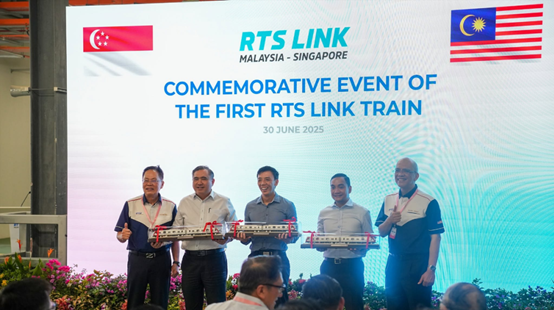
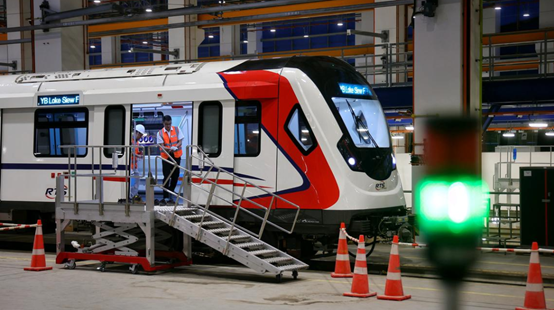
On June 30, the first test train of the Malaysia-Singapore RTS officially made its debut, marking a new phase in the construction of this cross-border light rail project. Once operational, the RTS is expected to enable “5-minute commutes + one-stop customs clearance” from Johor Bahru to Woodlands in Singapore. This will not only transform cross-border travel but also offer businesses a more cost-effective model for setting up operations and hiring talent.
Faster Clearance, Shorter Commutes: A Quick Look at the RTS Highlights
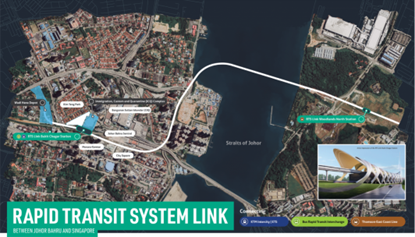
The RTS Link spans the Straits of Johor with a total length of approximately 4 kilometers—3.6 kilometers in Malaysia and 1.8 kilometers in Singapore. It connects Bukit Chagar Station in Johor Bahru, Malaysia, with Woodlands North Station in Singapore, completing the journey in just about 5 minutes.
To enhance the passenger experience, both stations are equipped with joint customs, immigration, and quarantine (CIQ) facilities, implementing a “one-stop clearance” system. Passengers can complete immigration and customs procedures for both countries at the point of departure, eliminating the need for further checks upon arrival and significantly improving commuting efficiency.
One Rapid Transit, Two Interconnected Business Hubs
The accelerated progress of the RTS project opens up greater possibilities for talent mobility, industrial collaboration, and capital allocation between the two regions. Johor Bahru is poised to become the preferred location for Singapore-based companies to retain their headquarters or front-end operations locally while establishing support teams or operational centers in Malaysia. It also presents an ideal setting for implementing a “light-asset outsourcing” model.
Businesses will benefit from three key advantages:
Faster Commutes, More Flexible Workforce Arrangements
- Companies with employees living in Malaysia and working in Singapore will benefit from more efficient customs and transportation;
- Supports a cross-border workforce model of “remote work + on-site collaboration”;
- Enhances employer appeal, aiding talent retention and recruitment.
Lower Costs, Johor as a More Cost-Effective Base
- Companies can maintain their Singapore headquarters while setting up functional centers in Johor for bilateral collaboration;
- Office rental and labor costs in Johor are typically 30–50% lower than in Singapore, making it ideal for functions like procurement, logistics, and HR support;
- Helps reduce overall operational expenses and improve profitability.
Strategic Expansion, Easier Cross-Border Growth
- The RTS launch will facilitate tighter integration of supply chains, client engagement, and access to government incentive programs across both sides;
- The Johor-Singapore Special Economic Zone (JS-SEZ) and the Malaysian Investment Development Authority (MIDA) are actively encouraging foreign investment in Johor;
- Designated zones in JS-SEZ include Forest City (financial services), Senai-Skudai (aerospace manufacturing), and Tanjung Pelepas (smart logistics); qualifying companies may enjoy:
- 5% corporate income tax rate for up to 15 years
- Custom-tailored incentive packages
- 15% personal income tax for eligible knowledge workers for up to 10 years
- This growing cross-border integration offers a “fast track” for businesses expanding into regional markets.
Compliance and Tax Considerations Behind Cross-Border Operations

While the RTS launch brings unprecedented convenience and feasibility for cross-border business collaboration, it also introduces operational tax and regulatory challenges. Based on our practical experience, here are some of the most frequently asked questions from clients:
- What are the registration, annual filing, and tax compliance requirements when setting up a branch or office in Johor?
- How do we determine if cross-border employees qualify as dual tax residents? Will they be subject to double taxation?
- For cross-border transactions involving goods or services, how should GST/VAT be handled in Malaysia or Singapore?
- Are there any restrictions or withholding tax implications when remitting funds from Malaysia to Singapore?
Without proper planning, these issues could lead to unnecessary compliance burdens and time costs.
From Vision to Execution — Let Our Experts Guide You

As a professional services firm with deep roots in Singapore, Malaysia, and the broader Southeast Asian market, SIG Global has helped numerous businesses successfully establish their cross-border presence. We provide comprehensive one-stop cross-border solutions, including but not limited to:
- Company incorporation and tax advisory services in Singapore and Malaysia
- Compliance support for Singapore companies expanding into Johor
- Cross-border employment and expatriate tax planning
- Corporate income tax and GST reporting and filing
- Financial system integration and account consolidation between Singapore and Malaysia
With expert teams and service networks across both countries, SIG is empowering more and more businesses to turn strategic vision into local execution.
Conclusion
The upcoming launch of the Malaysia–Singapore RTS is more than just good news for commuters—it marks a golden window of opportunity for businesses looking to expand across the border.
As transport links open, your operations should move even faster.
Plan ahead, stay compliant, and position your business to lead in this new era of regional integration.