




In 2025, against the backdrop of Japan’s total population declining for the 16th consecutive year, the country continues to ramp up efforts to attract foreign enterprises. An increasing number of Chinese companies and high-net-worth families are paying attention to how to set up a company in Japan—whether for asset structure optimization, family planning, establishing operations, or expanding into new markets, Japan has become one of the top destinations.
However, while many feel confident before starting, they often discover upon implementation that registration is easy, opening a bank account is hard, and compliance is even harder. Some companies have even faced repeated rejections at the account-opening stage due to minor document discrepancies, delaying business launch for months.
In this article, drawing on the latest policies and practical experience, we explain everything you need to know in one go: how to choose the right company type, how to register, where the difficulties in account opening lie, which industries require prior notification, and what to be mindful of when closing a company—helping you efficiently and compliantly enter the Japanese market.
How to choose the right company type?

01 Representative Office
- Does not have legal entity status and cannot sign contracts or conduct business activities.
- No corporate registration required; cannot open a bank account or hire employees.
- Suitable for the initial research stage before deciding whether to enter the Japanese market.
- Office address can be in a shared space or co-working facility, but must meet inspection requirements from banks and regulatory authorities.
02 Branch Office
- Operates in Japan under the name of the parent company, without independent legal entity status.
- Registration procedures require notarized documents from the parent company, translations, and consular authentication.
- No separate capital injection required, but tax and banking matters need independent accounts.
- Suitable for companies with an established overseas operational system using Japan as an expansion base.
03 Kabushiki Kaisha (KK)
- The most common corporate form in Japan, similar to a joint-stock company in China.
- Requires notarized articles of incorporation and payment of registration license tax (minimum JPY 150,000).
- Highly credible, suitable for future financing and compliance filings.
- Bank account opening success rate is relatively high and widely recognized in business dealings.
- Governance structure includes a shareholders’ meeting, board of directors, and representative director.
- Suitable for long-term operations or companies planning for an IPO.
04 Godo Kaisha (GK)
- Similar to a limited liability company, with a more flexible system and lower costs.
- No notarization of articles required; registration license tax is only JPY 60,000; can be established by a single person.
- No mandatory shareholders’ meetings or board of directors, offering high operational freedom.
- Especially suitable for small-scale businesses or holding structures.
Registration Process (for Non-Japanese Residents)
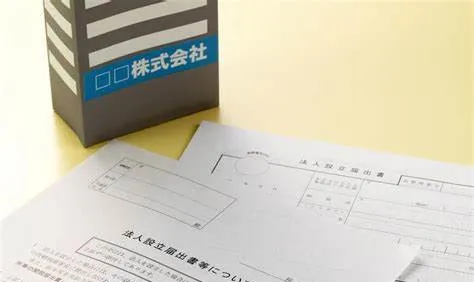
- Structure Design
- Decide on the company name (must comply with Japan’s Companies Act).
- Determine the legal representative (whether they reside in Japan).
- Choose a registered address (must be a genuine office location).
- Set the shareholding ratio and draft the articles of incorporation.
For foreign founders without Japanese residency, a notarization process for signature or seal verification must be completed in their home country or region before proceeding with the registration application.
- Articles of Incorporation Certification
For a KK, the articles must be submitted to a Japanese notary public for certification—this is a mandatory step. A GK can skip this procedure. When foreigners establish a company, a “signature certificate” is required instead of a “seal certificate.” For individuals from mainland China, this usually involves signing before a lawyer, obtaining notarization, and then having the documents authenticated by the Japanese consulate. - Capital Injection
Funds must be deposited into a “temporary deposit account” or the founder’s Japanese bank account, and a payment certificate must be issued by the bank. - Registration Submission
Submit the registration application to the Legal Affairs Bureau; it generally takes about 10–15 business days to obtain the company registration certificate and the corporate seal registration certificate. - Tax Filing
Within two weeks after registration, filings must be made with the tax office, local tax bureau, and pension office, along with submission of documents such as the lease agreement, company establishment statement, and representative’s identification. Failure to file will result in the entity being treated as a “non-operating shell company.” - Bank Account Opening
This is one of the more challenging steps, requiring a complete business plan, proof of office premises, and other supporting documents prepared in advance.
Bank Account Opening – Challenges & Countermeasures
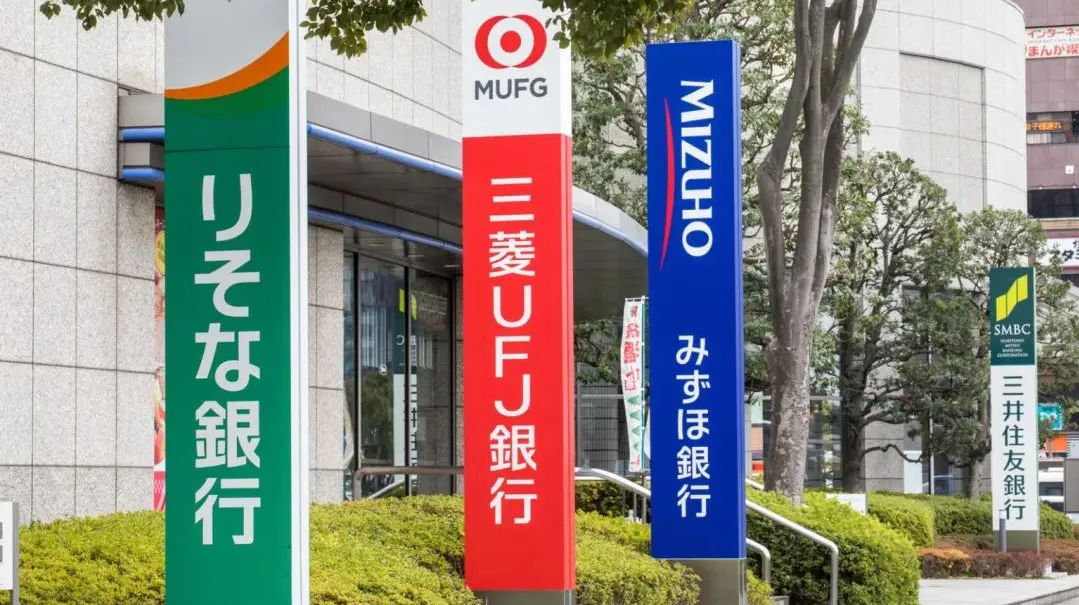
Since 2023, major Japanese banks have been strictly enforcing new regulatory guidelines on Anti–Money Laundering (AML) and Customer Due Diligence (CDD). Companies with non-resident directors, backgrounds from high-risk countries, or unclear business models are placed on high-risk lists. Some banks explicitly refuse account-opening applications from high-risk businesses such as cryptocurrency trading companies, adult content platforms, offshore trust holding companies, and enterprises with complex shareholder structures.
Banks typically require the following documents:
- Detailed business plan – including the company’s main business activities, key clients, initial transaction structure, and three-year financial projections.
- Office lease agreement and interior photos – to prove the company is not a virtual entity.
- Passports, visas, and proof of address for all directors and investors.
- Additional registration certificate if the corporate investor is contributing capital.
- Company seal and seal registration certificate.
- Power of attorney and KYC documents from an administrative scrivener/accountant, if a third party is assisting with the account-opening process.
Before submitting the bank account opening application, it is recommended to first complete the following preparations:
- Appoint a local director in Japan who holds a valid residence card.
- Provide a verifiable office address, with supporting documents such as utility bills or rental invoices.
- Prepare a complete business description in advance, including client sources, supply chain details, sample invoices, and draft initial business contracts.
When selecting a bank for account opening, it is recommended to prioritize local Japanese online banks (such as GMO and Sumitomo Mitsui Trust SBI). These banks tend to be more SME-friendly, offer a higher degree of digitalization in the account-opening process, and generally have shorter document review cycles. If an online bank cannot meet business needs or the transaction volume expands, you can then consider applying for a traditional bank account.
In addition, having an administrative scrivener or certified public accountant act as a guarantor and participate in the account introduction meeting can significantly increase the success rate.
FDI Filing Requirements for Sensitive Industries

Industries such as telecommunications, logistics, finance, broadcasting, and aviation are required to complete a “prior notification” before registration, with a typical processing period of 30 days. If the business does not involve sensitive sectors, only a “post-registration report” needs to be submitted within 30 days after registration.
Industry-Specific Foreign Investment Restrictions and Review Measures in Japan
JETRO periodically updates the list of sensitive industries. It is recommended to conduct an FDI classification assessment before establishment to avoid fines or denial of business licenses due to failure to file. Relevant requirements should be based on the latest regulations.
Dissolution Process and Key Considerations
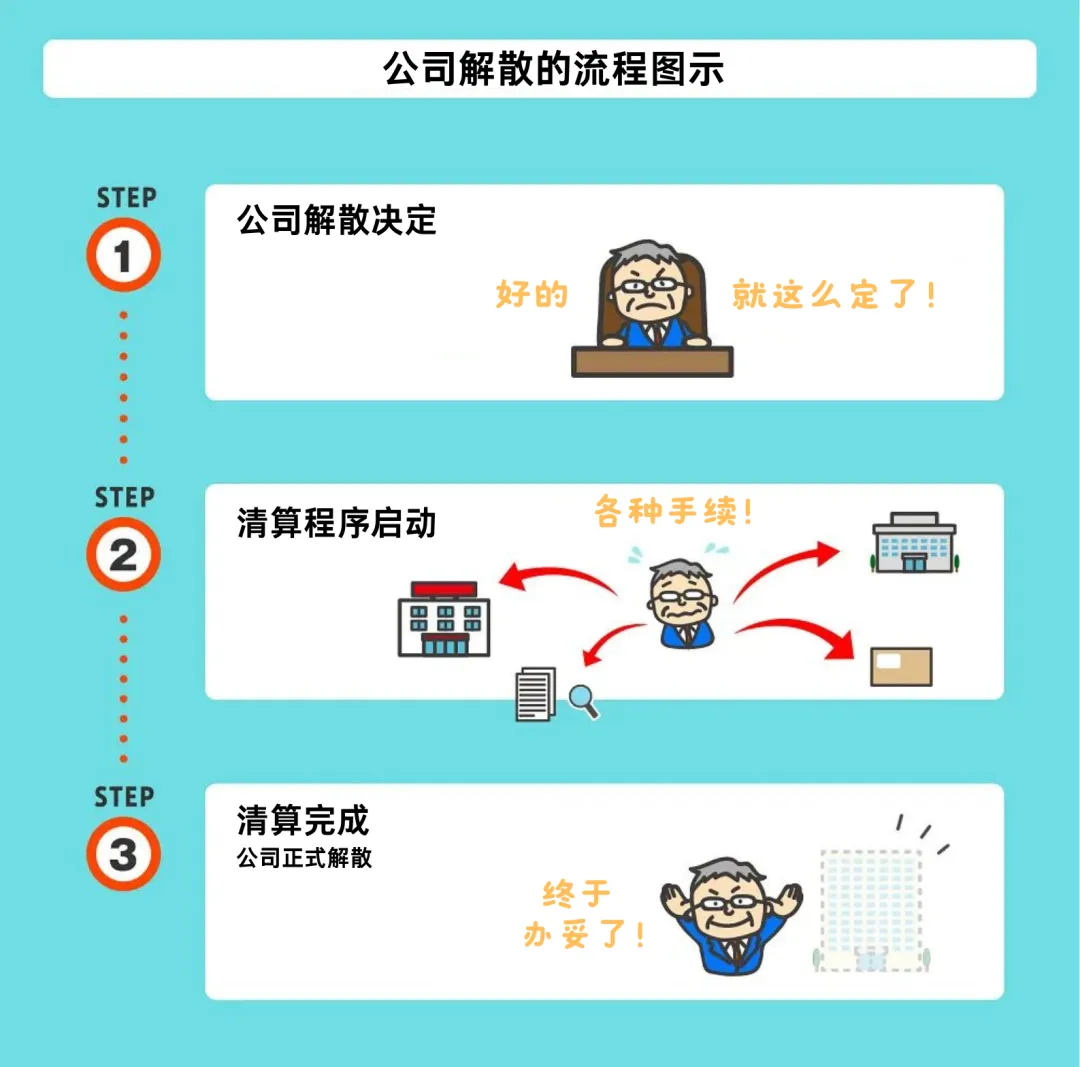
- Both KK and GK require a resolution from the board of directors or members’ meeting to dissolve the company. During the announcement period (no less than two months), related matters such as tax liquidation and social insurance cancellation must be completed.
- During the liquidation period, the corporate seal will be frozen, and no new contracts may be signed.
- If there are any outstanding social insurance, taxes, debts, or employee-related issues, the dissolution application will be rejected, and the liquidation period may be extended to over six months.
- In contrast, a branch office can be terminated by a resolution of the parent company, followed by submission of a change application to the Legal Affairs Bureau and completion of tax settlement. However, if the branch still has employees or social insurance accounts under its name, related liquidation and cancellation procedures must also be completed.
Conclusion
Japan’s market potential and institutional stability make it an ideal destination for many enterprises. However, the regulatory details and practical hurdles have caused setbacks for many first-time investors.
If you are planning to enter the Japanese market, it’s wise to start by focusing on choosing the right company type and planning your bank account opening. Build a solid foundation first, then proceed with financing arrangements and tax optimization.
Related Resources


No results found.