


SIG Insights | Investing S$37 Billion Again! How Will the Research, Innovation & Enterprise 2030 Plan (RIE2030) Strengthen Singapore’s Future Competitiveness?
 Dec 26, 2025
 Dec 26, 2025
Keywords: RIE2030 Strategic Framework, Semiconductors & Advanced Manufacturing, Health Technology & Aging, Research-Industry Integration

Over the next five years, Singapore will invest S$37 billion to advance a new round of the Research, Innovation & Enterprise plan. This is not merely a simple increase in research funding, but a systematic strategy focused on national competitiveness, industrial security, and long-term social sustainability.
To clarify the direction of the plan, on December 5, the Chairman of the Research, Innovation & Enterprise Council and Senior Minister Lee Hsien Loong, Vice Chairman and Chairman of the National Research Foundation Wang Ruijie, and Permanent Secretary for National Research & Development Affairs Chen Zhuquan outlined at a press conference the direction of the Research, Innovation & Enterprise 2030 Plan (RIE2030) to be implemented by the National Research Foundation from 2026 to 2030.
Not a “single bet,” but an optimization of the research funding structure

From the perspective of RIE2030’s design, Singapore does not concentrate resources on a single industry. Instead, it allocates funding across multiple categories, focusing not only on strategic priority areas and core research capabilities but also supporting enterprise innovation, technology commercialization, infrastructure development, and talent cultivation.
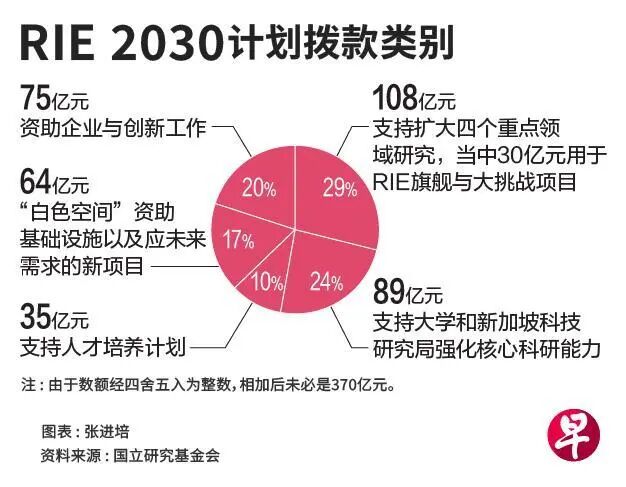
This structure is designed to ensure that the research ecosystem can continuously produce cutting-edge results while remaining connected to real-world industry and societal needs, rather than “doing research in isolation without focusing on implementation.” It also reflects Singapore’s consistent policy approach: research does not exist in isolation but is an integral part of the national economic system.
Looking at the long-term perspective, this is a path that has been pursued for over 30 years

Placing RIE2030 in a historical context reveals a key feature: Singapore’s investment in research and innovation is not a temporary policy but a long-term, sustained commitment.
Since the 1990s, the overall budget for research, innovation, and enterprise has shown a steady upward trend. Even during periods of global economic fluctuations, research funding has remained stable without major swings.
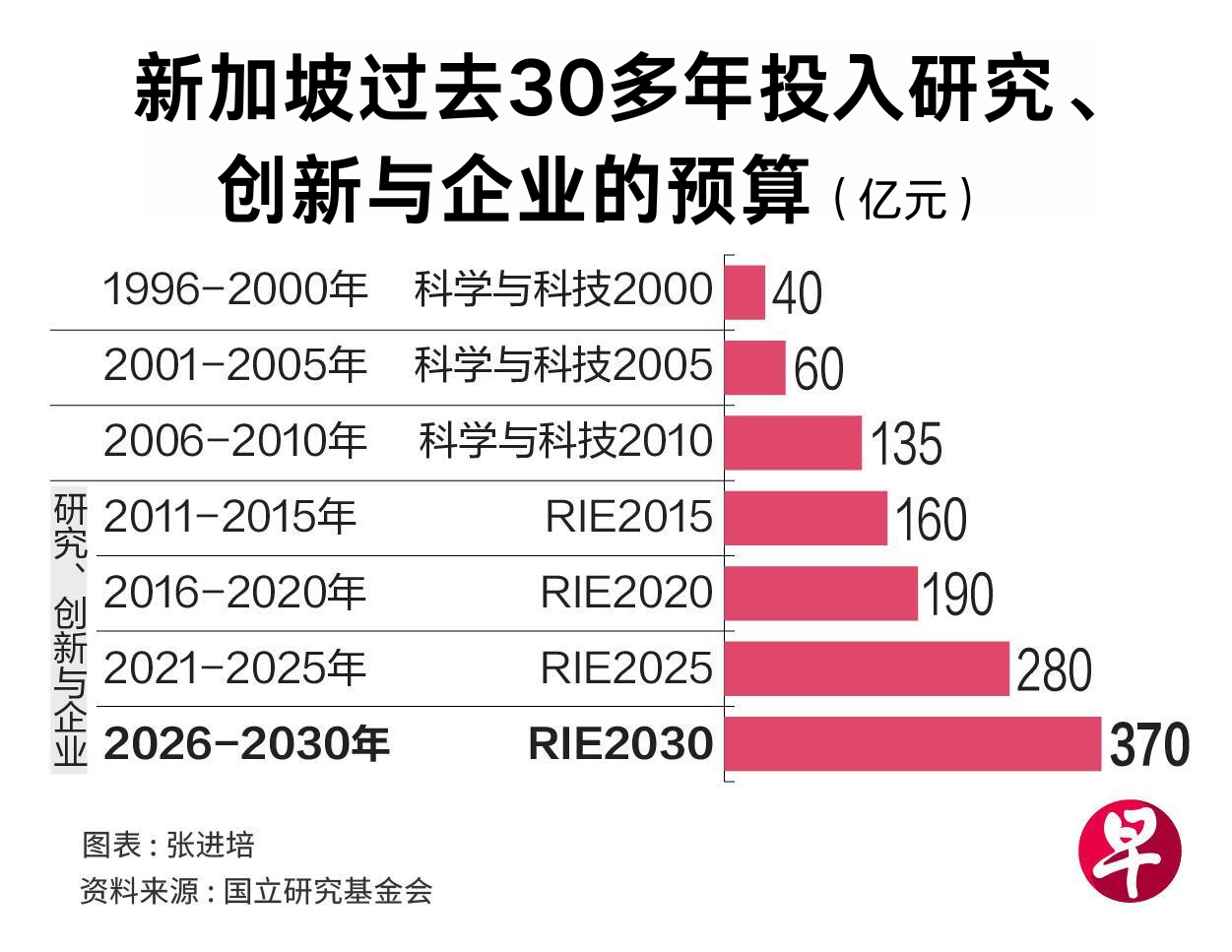
This indicates that Singapore is not “increasing research funding during economic booms,” but rather using research as a stabilizer amid uncertain conditions. The S$37 billion for RIE2030 represents an upgrade and deepening along an established path, rather than a change in direction.
Four Priority Areas and the Flagship Semiconductor Project

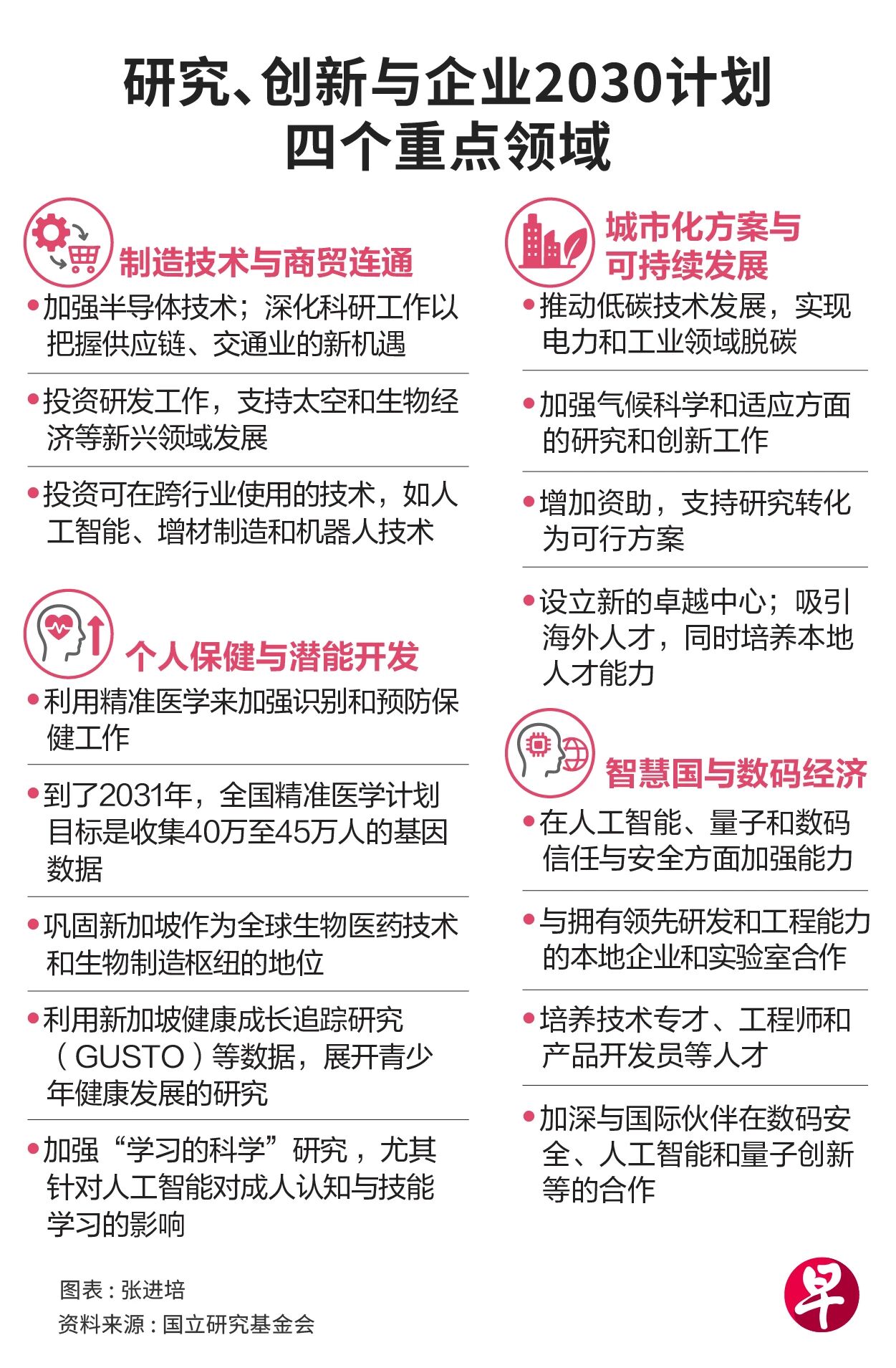
RIE2030 identifies four priority areas for the next five years:
- Manufacturing technologies and trade connectivity
- Personal health and human potential development
- Urban solutions and sustainable development
- Smart nation initiatives and the digital economy
These areas are not only central to Singapore’s long-term strategy but also provide clear guidance for R&D and investment for companies and research institutions.
Within this framework, Singapore will launch flagship projects to strengthen research in high-impact areas.
The first flagship project will focus on the semiconductor industry, led by the Agency for Science, Technology and Research (A*STAR) and the Economic Development Board (EDB). Its goals are to further expand Singapore’s high-value research and manufacturing capabilities, such as advanced packaging and photonics, while supporting deep-tech startups and local enterprises, positioning Singapore as a key hub in the global semiconductor supply chain.
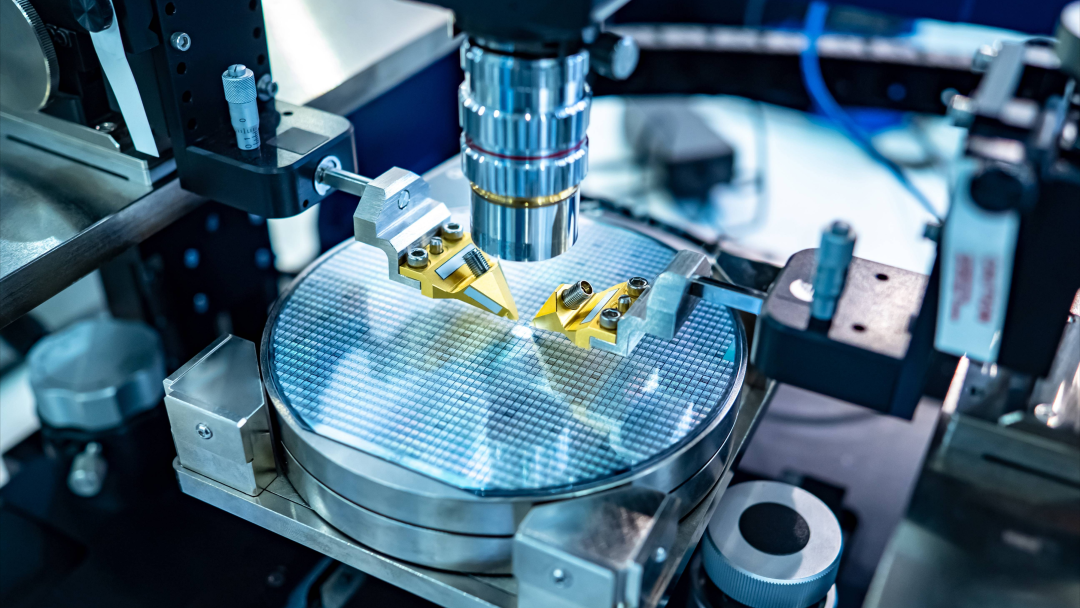
In terms of industrial foundation, Singapore is far from starting from scratch. Currently, Singapore accounts for 10% of global chip production and 20% of global semiconductor manufacturing equipment output. Over the past two years, this sector has attracted more than S$18 billion in investment.
Regarding whether RIE2030 will enhance Singapore’s competitiveness in the semiconductor industry amid geopolitical tensions, Prime Minister Lee Hsien Loong noted that investments in semiconductors are no longer just economic or technological matters but also strategic and security considerations aimed at reducing dependence on other countries. Despite these shifts, Singapore will continue to serve as a central hub in the semiconductor industry.
“RIE Grand Challenge”: Focusing on Healthy Longevity and Aging

The newly launched “RIE Grand Challenge” initiative focuses on addressing national priority issues. The first Grand Challenge, themed “Achieving Healthy Longevity,” promotes interdisciplinary research and translational efforts to slow cognitive and physical decline, tackling the challenges of an aging population.
Singapore is rapidly becoming an aging society, with an estimated one-quarter of the population expected to be 65 or older by 2030. The Grand Challenge aims to deepen understanding of the aging process and develop new approaches to maintain brain health and physical fitness through healthcare, social environment, artificial intelligence, and technological innovation.
The government also indicated that additional flagship projects and Grand Challenges will be launched in the future, with details to be announced in due course.
Key Takeaways from SIG:
1.Clear Support for Priority Areas – Singapore will continue to increase investment in high-value technologies and advanced manufacturing, providing long-term opportunities for tech-driven and R&D-oriented companies.
2.High Policy Stability and Predictability – Policies in key sectors such as semiconductors, digital technology, and health tech are consistent, offering clear guidance for corporate R&D and investment decisions.
3.Strengthened Research-Industry Linkages – The government promotes close integration between research, industry, and enterprises, emphasizing technological innovation and capability building, and encouraging the commercialization of research outcomes.
4.Strategic Benefits from Policy Continuity – For companies planning to establish regional headquarters, R&D centers, or industrial bases in Singapore, stable and continuous policies themselves constitute a significant strategic advantage.
RIE2030 clearly defines priority investment areas for the next five years, providing companies with strategic guidance for R&D planning and long-term investment in key sectors such as semiconductors, advanced manufacturing, health technology, and digital technology. At the same time, policy continuity and the close integration of research and industry create a predictable environment for innovation and technology commercialization. By leveraging policy-supported areas and aligning with their own technological and resource strengths, companies can enhance competitiveness and unlock long-term growth potential.