


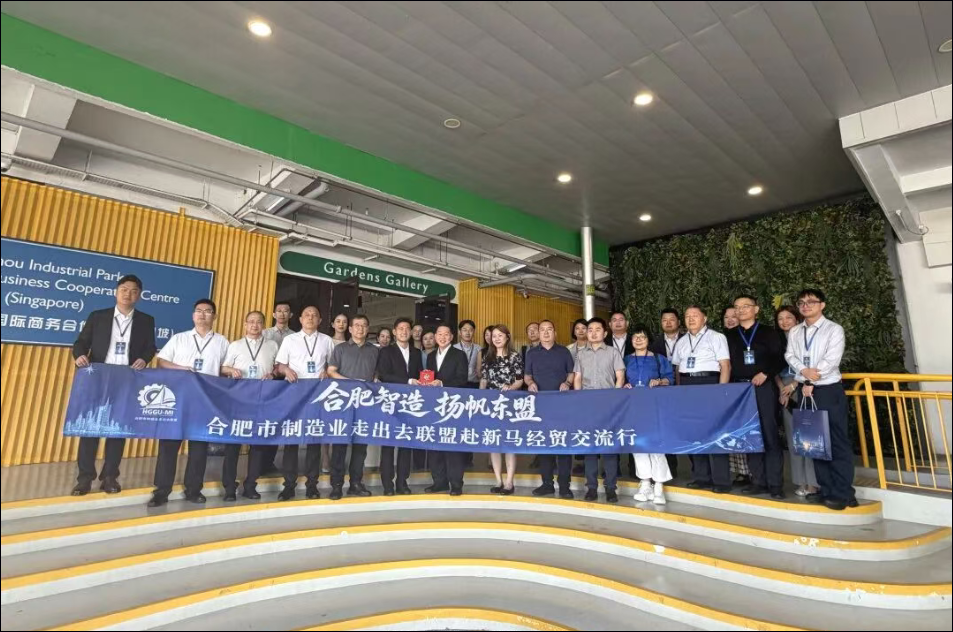

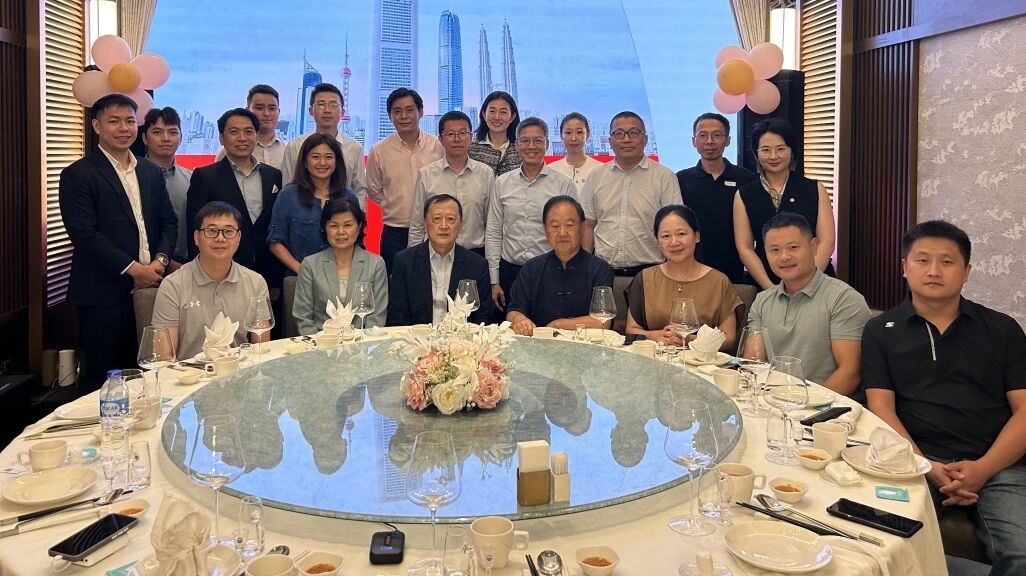
From August 18 to 22, SIG global and Ascent Asia jointly organized and hosted a delegation of Chinese medical enterprises from Bank of Ningbo for a week-long business study tour in Singapore and Indonesia.
As the first overseas business delegation program by SIG global, the event not only received high praise from clients but also gave participants a first-hand experience of the sharp contrasts and complementary strengths between the two countries in medical technology, policy environment, and market demand.
Why Singapore and Indonesia?
Singapore: A Bridgehead for R&D and Internationalization
Global MedTech Hub: 8 of the world’s top 10 pharmaceutical companies have set up their Asia-Pacific headquarters or R&D centers in Singapore.
World-class Talent Pool: With 4,200 researchers per million people, Singapore boasts a concentration of global top talent. The Yong Loo Lin School of Medicine at the National University of Singapore ranks No. 1 in Asia. Each year, more than 500 professionals are trained, while Singapore’s role as an R&D hub for multinational pharma has created a rich pool of high-end talent, enabling companies to quickly build international teams covering both Western and Asian markets.
High Global Recognition: Singapore’s drug evaluation standards are closely aligned with the U.S. FDA and the EU EMA, allowing certified products to quickly access global markets.
Faster Approvals: Whether for innovative drugs, generics, or medical devices, Singapore’s regulatory review process is significantly faster than in the U.S. or EU, with average timelines among the best worldwide.
Strong Government Support: Companies engaged in innovative drugs, advanced medical devices, and biotech R&D can enjoy 5–15 years of tax exemption, along with subsidies of up to 50% of R&D costs.
Indonesia: A Population Powerhouse and Consumer Blue Ocean
Strong Market Demand: With a population of about 280 million, Indonesia faces a shortage and uneven distribution of medical resources. There remains vast growth potential in healthcare infrastructure and per capita medical spending.
High Import Dependence: Most medical equipment relies on imports, driving strong demand for advanced medical devices and localized production.
Increasing Policy Support: The Indonesian government offers a range of incentives—including tax breaks, land grants, and tariff reductions—while promoting local manufacturing requirements and actively encouraging pharmaceutical production and healthcare facility development.
For medical enterprises, Singapore serves as a springboard for innovation, R&D, and internationalization, while Indonesia represents a highly promising consumer market. Together, they form a dual growth engine of “R&D + Market” for going global.
Highlights of the Delegation Tour

Face-to-Face with Government and Institutions
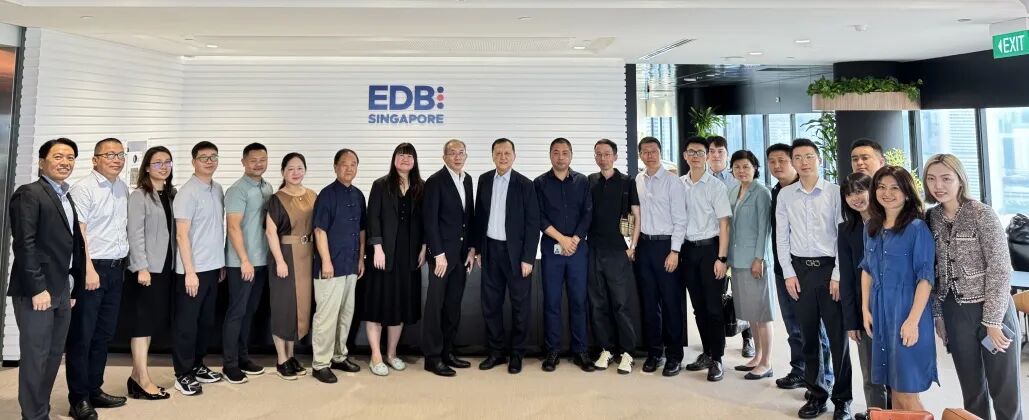
Visited the Singapore Economic Development Board (EDB) to learn about foreign investment attraction, government-led investment promotion, as well as industry policies and incentive schemes.
Visited the A*STAR Medical Device R&D Center to learn how to connect with contract manufacturers, identify high-value project concepts, and translate them into commercial products.
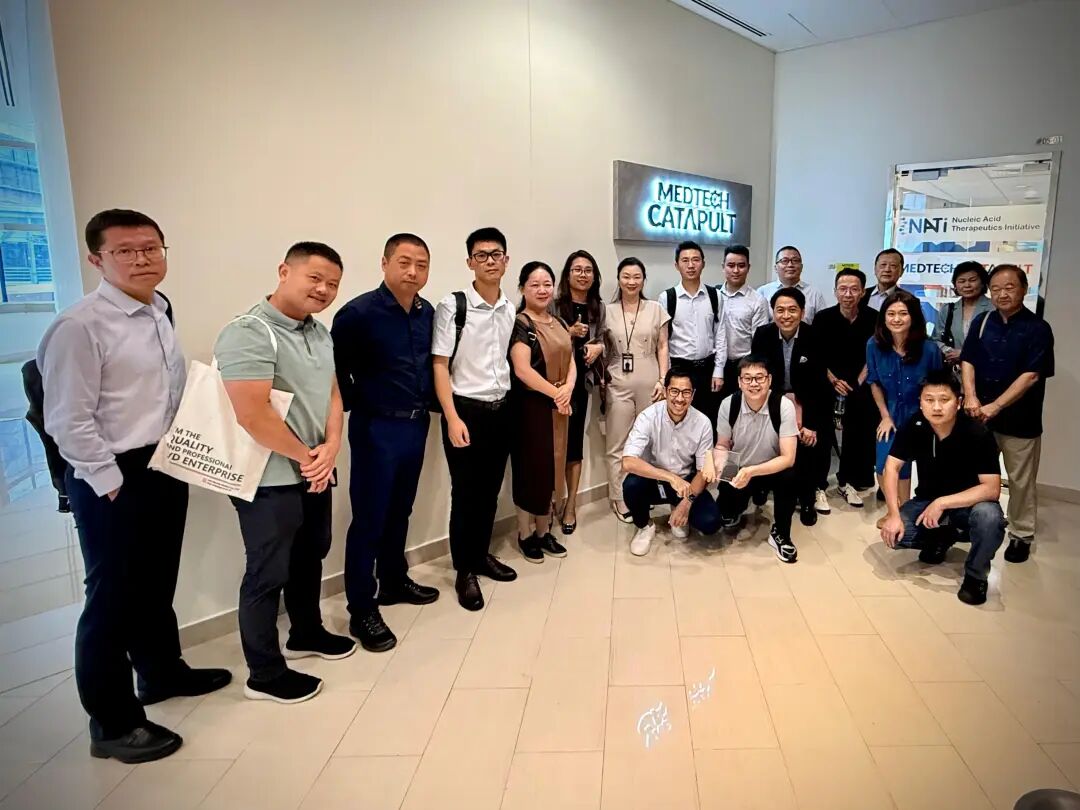
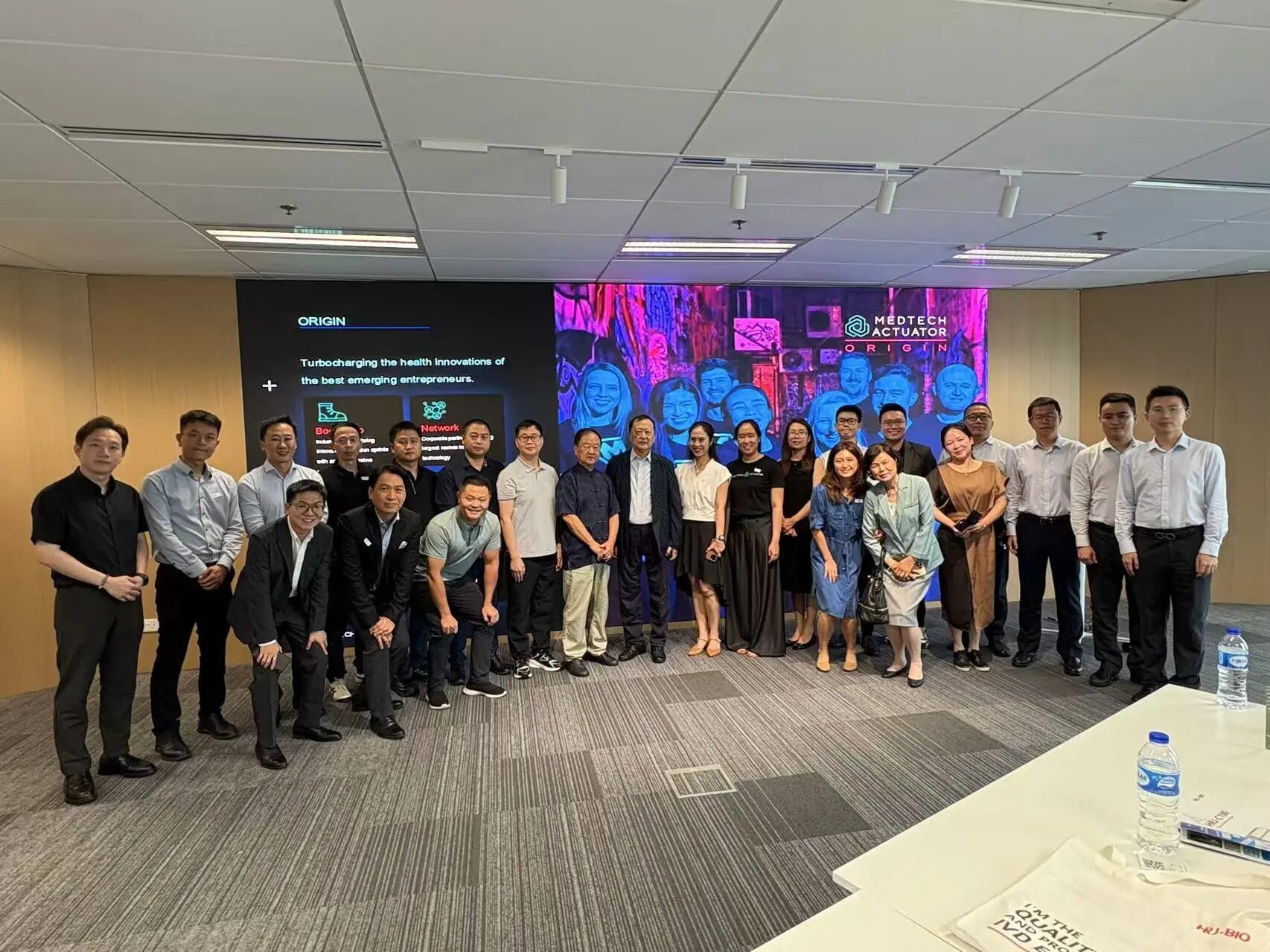
Connected with MedTech Actuator, a medical device accelerator, to gain insights into the critical stages from product validation to fundraising preparation and clinical trials, while accessing essential expertise, industry resources, and networking support.
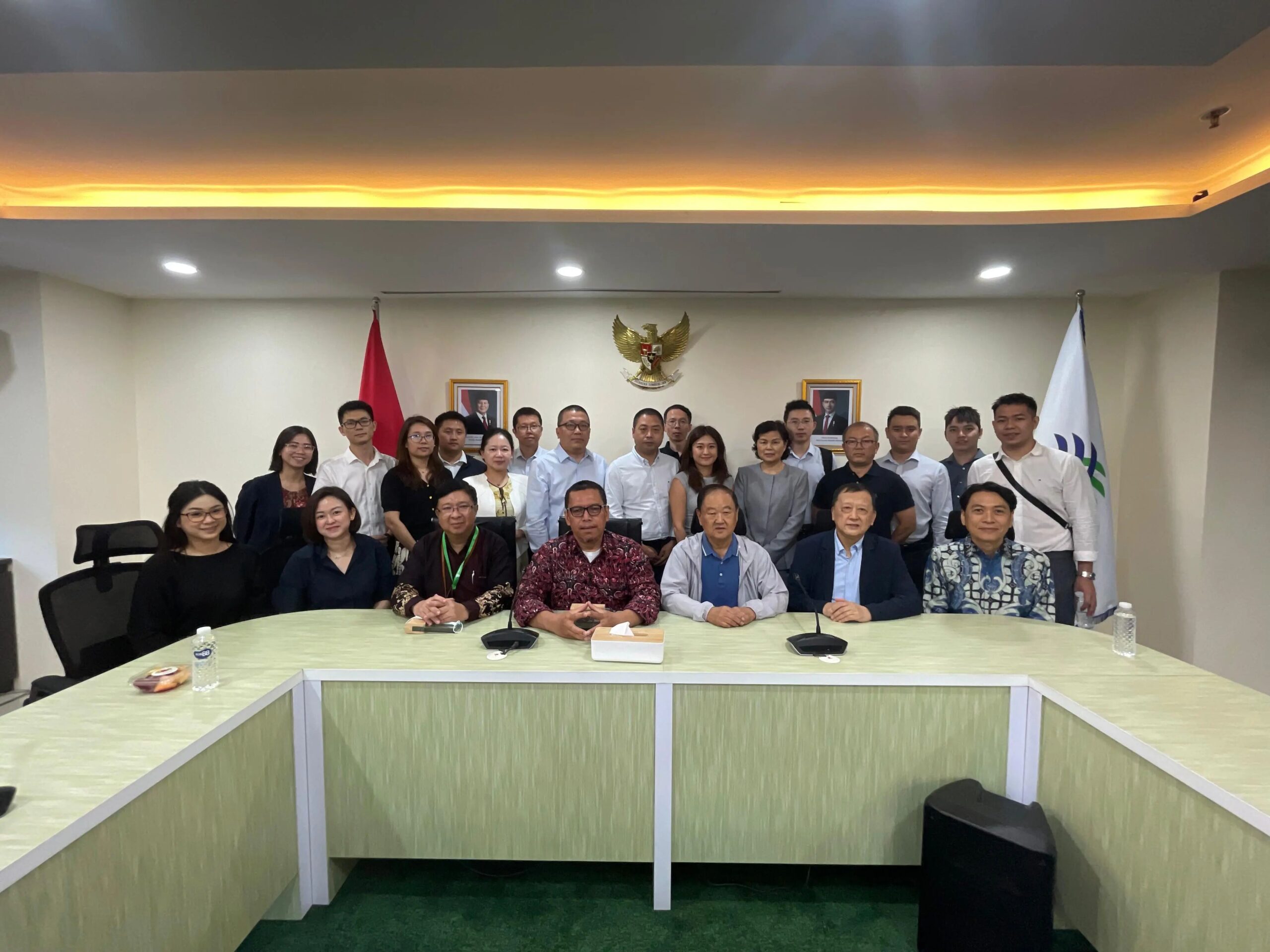
Visited the Indonesian Investment Coordinating Board (BKPM), the Ministry of Health (MOH/Kemenkes), and the National Agency of Drug and Food Control (BPOM) to gain in-depth understanding of Indonesia’s investment opportunities and incentive policies, as well as industry entry regulations.
Engagement with Industry Associations and Enterprises
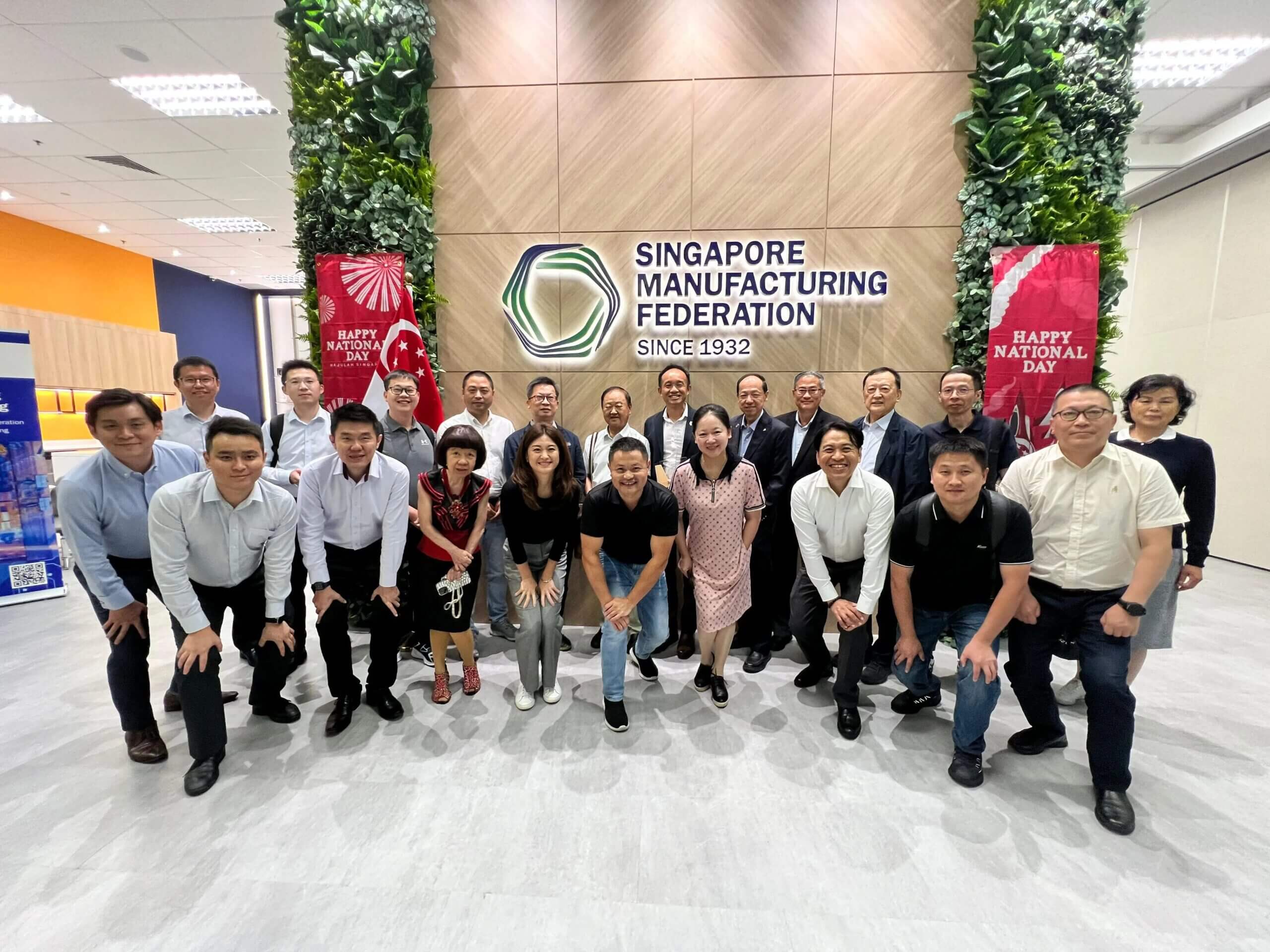
Engaged with the Singapore Manufacturers’ Federation to learn about industry development trends and build bridges for cross-border industry collaboration.
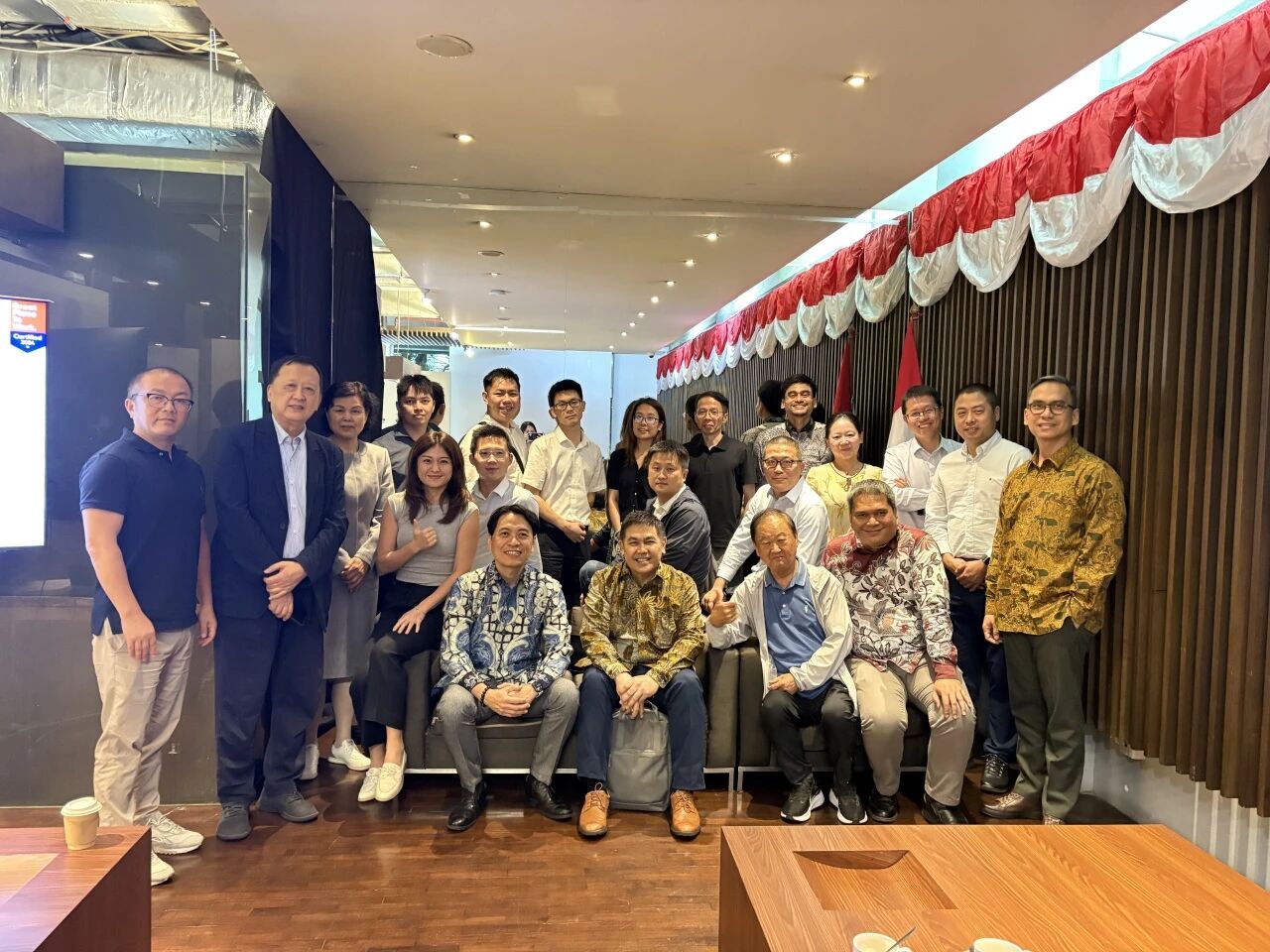
Held discussions with the Daya Lima Group to learn about their business experience, operational practices in Indonesia, as well as the challenges and market opportunities they face.
On-site Visits and Immersive Experiences
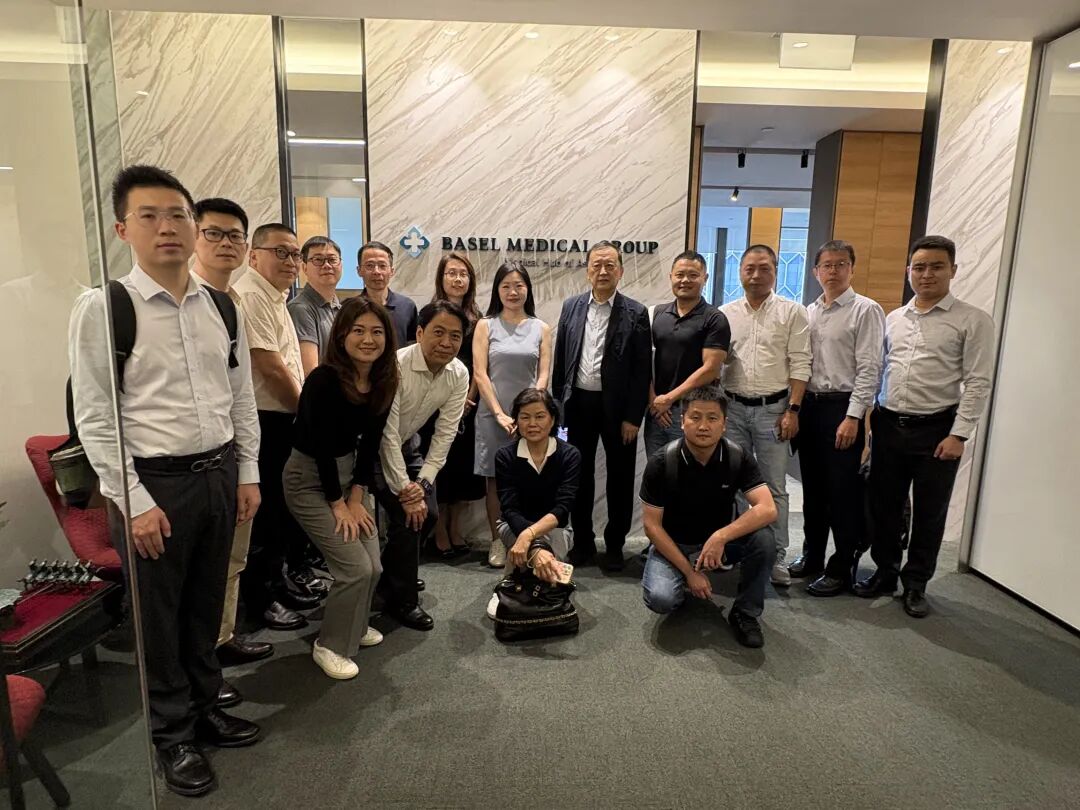
Visited Bethesda Medical, a Singapore-based healthcare chain, to gain insights into the Singapore healthcare market, including market demand, the tiered healthcare system, and medical services, and to exchange experiences with successfully established enterprises.
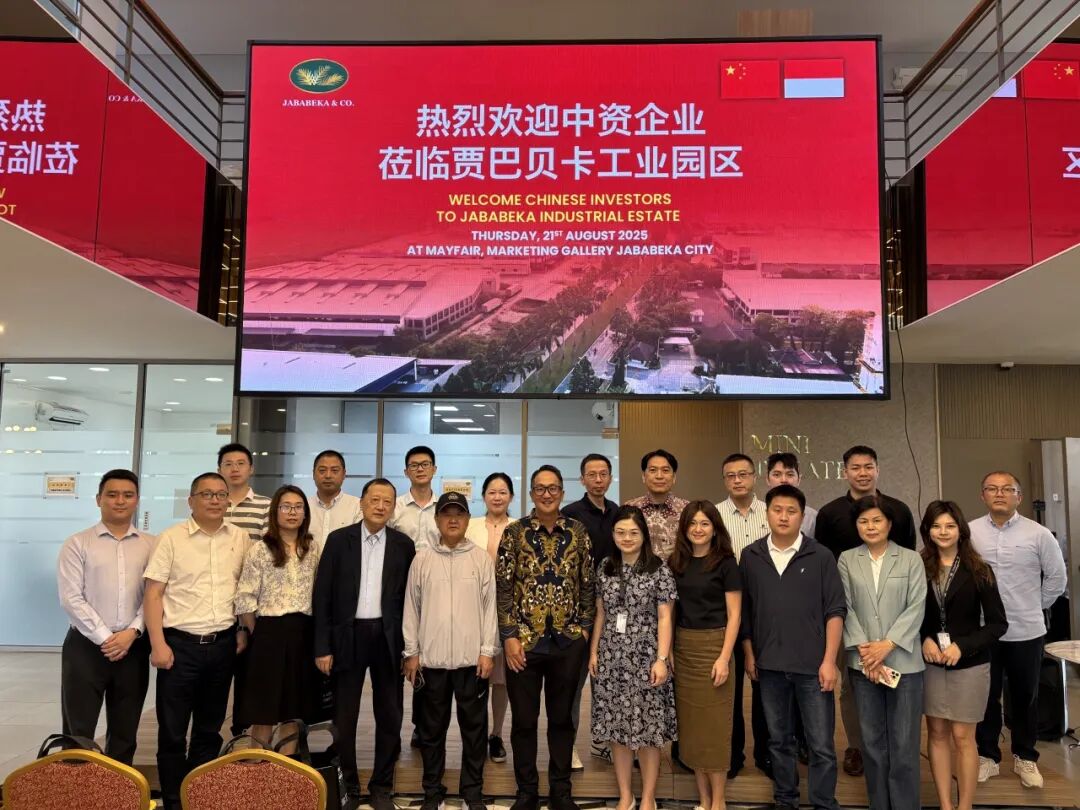
Visited the Faculty of Medicine at the University of Indonesia, Jababeka Industrial Estate, and an inland port to explore the industrial ecosystem and infrastructure, and to identify potential opportunities for medical manufacturing, supply chain collaboration, and investment in local production facilities.
Key Takeaways and Insights for Enterprises
The delegation gained a clear understanding of:
01 Strategic Vision
- Singapore, as a global hub for medical technology innovation, not only hosts world-class research institutions and international pharmaceutical headquarters but also has a highly internationalized talent and R&D network.
- Companies can leverage Singapore’s policy support, R&D resources, and international standards to link the Asia-Pacific and Western markets, rapidly enhancing the global strategic positioning of their business.
02 Market Depth
- Indonesia’s healthcare market has significant supply-demand gaps and abundant opportunities. High-quality medical resources are scarce, medical devices and pharmaceuticals remain heavily import-dependent, and there is strong demand for localized production and import substitution.
- Through on-the-ground understanding of Indonesia’s policies, market, and industry environment, the delegation identified potential market entry points and collaboration opportunities, providing data-driven support for investment and business expansion.
03 Pathways to Market Entry
- From policy briefings to on-site visits, and from engagement with government and industry associations to enterprise experience sharing, the delegation gained a comprehensive reference framework for market entry and business implementation.
Conclusion
The success of this delegation once again underscores SIG global’s service strengths in supporting Chinese enterprises expanding into Southeast Asia. Looking ahead, SIG global will continue to deepen collaboration and exchanges with partners across industries and sectors in Southeast Asia, building international bridges for enterprises and helping more Chinese companies successfully establish a presence in the region, seizing the opportunities brought by the globalization of the healthcare industry.
Related Resources
No results found.