


Singapore’s Manufacturing: From Precision manufacturing to Smart Transformation
 Jun 26, 2025
 Jun 26, 2025
Since gaining independence in 1965, manufacturing has been a cornerstone of Singapore’s economic development. Today, it contributes around 20% of the nation’s GDP and positions Singapore as a global hub for high-value manufacturing. From Biomedical to aerospace, semiconductors to specialty chemicals, “Made in Singapore” stands for precision, innovation, and reliability.
The Pillar of manufacture and Global Competitiveness
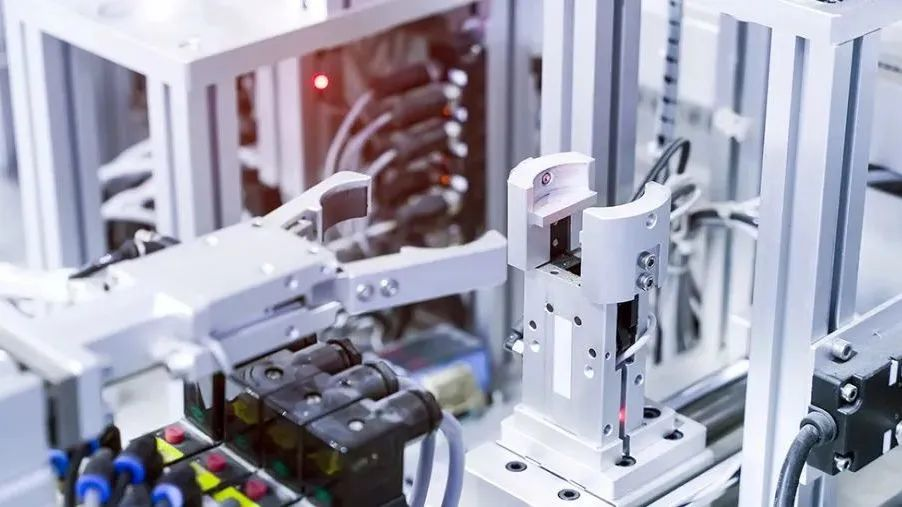
Manufacture is a key pillar of Singapore’s economy and its trajectory is closely linked to the country’s industrialization process. Singapore started from labor-intensive industries in the 1960s to Gradual shift to capital- and technology-intensive manufacturing. Today, Singapore has developed the following niche industries:
Biomedical Manufacture: Four of the world’s top ten bestselling drugs are produced in Singapore, which is also a major hub for advanced lab equipment manufacturing.
Aerospace: Singapore commands roughly 10% of the global Maintenance, Repair, and Overhaul (MRO) market and is home to over 130 aerospace companies, forming one of Asia’s most concentrated aerospace clusters.
Energy & Chemicals: Jurong Island, Singapore’s integrated energy and chemical hub, ranks as the world’s third-largest refining center. It hosts over 100 multinational corporations and ranks among the top ten chemical exporters globally.
Electronics & Semiconductors: A critical node in the global semiconductor supply chain, Singapore plays a leading role in wafer fabrication and high-end electronic component manufacturing.
Innovation-Driven: From Lab to Smart Factory
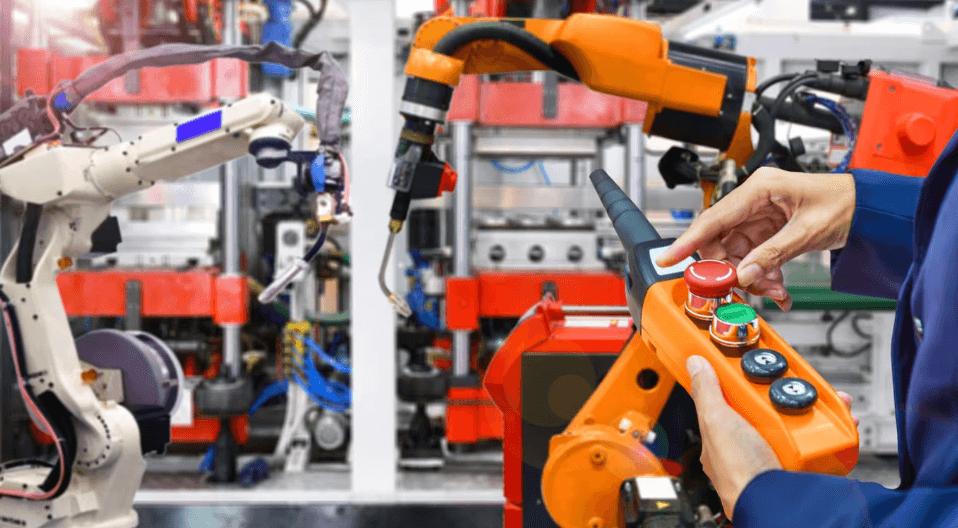
The competitiveness of Singapore’s manufacturing sector stems not only from its scale but also from its ability to sustain innovation. The government has heavily invested in R&D for advanced manufacturing, particularly in areas such as robotics, additive manufacturing, and the Industrial Internet of Things (IIoT).
The establishment of Model Factory is an important initiative to accelerate the implementation of Industry 4.0 technology in Singapore. These testbeds, operated by research institutes and universities, simulate real production environments and help companies test Industry 4.0 technologies such as predictive maintenance and real-time monitoring.
Singapore also pioneered the Smart Industry Readiness Index (SIRI) — the world’s first independent framework to assess a company’s Industry 4.0 maturity. SIRI enables manufacturers to diagnose digital readiness, identify gaps, and build strategic roadmaps for transformation. This data-driven approach helps companies align with global standards, maximize technology investments, and enhance competitiveness.
Talent and ecology: Foundations for Sustainable competitiveness

Talent is at the heart of Singapore’s advanced manufacturing vision. To ensure a robust talent pipeline, the government launched the Manufacturing 2030 Careers Initiative, which provides resources like employer guides, structured career paths, and high-quality internships to attract and retain local talent.
In addition, institutions like the Singapore Workforce Institute of Future Transformation (SWIFT) offer forward-looking training programs to equip workers with the skills needed in a rapidly evolving industrial landscape.
Strategic Upgrading: Manufacturing 2030 and Industry 5.0
Singapore’s Manufacturing 2030 Vision aims to grow the sector’s output by 50% by 2030, reaching S$160 billion. The strategy also envisions Singapore as a global center for manufacturing business, innovation, and talent while maintaining manufacturing’s 20% GDP contribution.
Looking ahead, Singapore is embracing Industry 5.0, an evolution beyond Industry 4.0. This next phase emphasizes human-centered, sustainable, and resilient production — ensuring that technology serves both business and societal needs.
Gathering Momentum and Empowerment: Singapore’s Manufacturing Potential is Unlimited
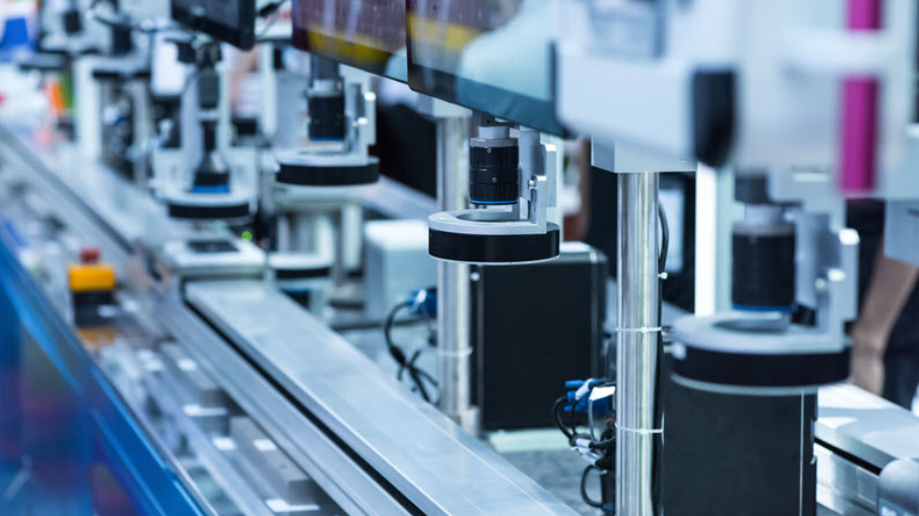
In 2024, driven by strong growth in electronics and transport engineering, Singapore’s manufacturing sector exceeded expectations, posting a 4.3% year-on-year increase. This momentum is expected to continue into 2025, opening up more opportunities for businesses in the sector.
According to the Economic Development Board (EDB), Singapore attracted S$13.5 billion in fixed asset investments in 2024, with S$11.1 billion directed toward manufacturing — notably in biopharmaceuticals and precision medicine. These investments are projected to generate around 18,700 jobs over the next five years, with manufacturing accounting for 37% of them.
Conclusion: Why Singapore?
Amid the global shift toward smart manufacturing, Singapore stands out with its mature industrial ecosystem, robust innovation infrastructure, and business-friendly environment. Whether you’re looking to adopt new technologies, improve operational efficiency, or expand in the Asia-Pacific region, Singapore offers the ideal foundation.
For companies seeking their next manufacturing base or innovation hub, Singapore is a strategic location worth serious consideration. Now is the time to seize the opportunity — and potentially unlock the next chapter of your global growth journey.