


Up to S$100,000! Singapore’s New Business Adaptation Grant Launches in October!
 Jul 18, 2025
 Jul 18, 2025
In response to global trade disruptions triggered by the U.S. tariff expansion, the Singapore government is set to launch the Business Adaptation Grant in October 2025 to help companies optimize their supply chains and market strategies. This article highlights five key takeaways to help you understand this significant new initiative:
- U.S. President Donald Trump recently sent letters to at least 14 countries in Asia and beyond, announcing a series of new import tariffs to take effect on August 1, 2025.
- In response, the Singapore government plans to roll out the Business Adaptation Grant (BAG) in October 2025, offering up to S$100,000 per company.
- The grant targets businesses that need to restructure their supply chains, export markets, or trade compliance frameworks, with higher subsidy rates for SMEs.
- It can be flexibly combined with other existing grants such as MRA (Market Readiness Assistance) and EDG (Enterprise Development Grant), with support lasting up to two years.
- SIG Global advises companies to treat this scheme as a strategic opportunity for long-term optimization, and to begin risk assessments and structural planning early.
Policy Background: Singapore Introduces Business Adaptation Grant Amid Spillover Effects of Tariff Shocks
According to reports from China Central Television (CCTV), starting from July 7, 2025, former U.S. President Donald Trump has sent letters to the leaders of at least 14 countries, announcing that the United States will impose tariffs ranging from 25% to 40% on imports from these nations starting August 1, 2025. The affected countries include Japan, South Korea, Malaysia, Indonesia, the Philippines, Cambodia, Thailand, and others.
The letters reportedly use near-identical wording, emphasizing that the tariffs will not be delayed. Trump also warned that if any of these countries retaliate by raising their own tariffs, the U.S. will respond by increasing its tariffs by an equivalent margin. This move has quickly triggered shockwaves across global supply chains, with many governments expressing concern that such unilateral measures could severely disrupt existing industrial and trade networks.
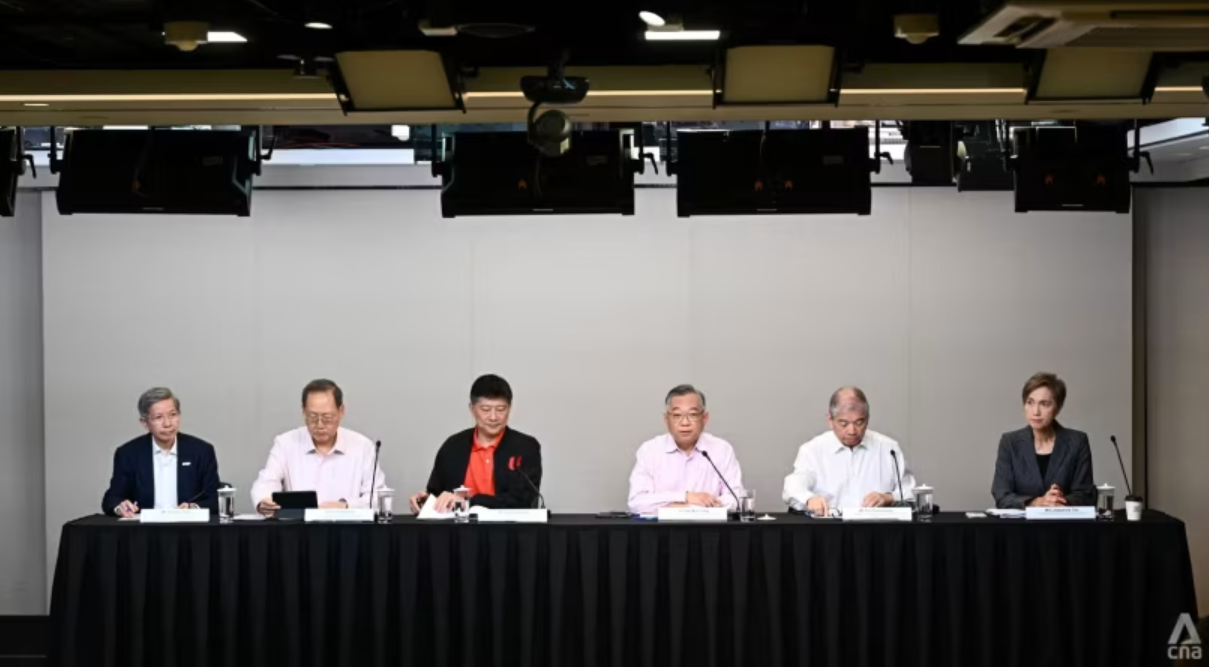
Although Singapore was not listed among the recipients of the tariff letters, it is still expected to face a baseline tariff of 10%. As a regional hub for logistics and manufacturing, Singapore’s supply chain and market dynamics may be significantly impacted by these externalities.
In response, Singapore has swiftly activated the Special Economic Resilience Taskforce (SERT) to formulate countermeasures. One key initiative is the Business Adaptation Grant, slated for launch in October 2025. The grant aims to provide flexible funding support to help businesses rapidly restructure their operations and adapt to the evolving trade landscape.
Grant Objective: Address Tariff Impact and Support Business Flexibility and Transformation
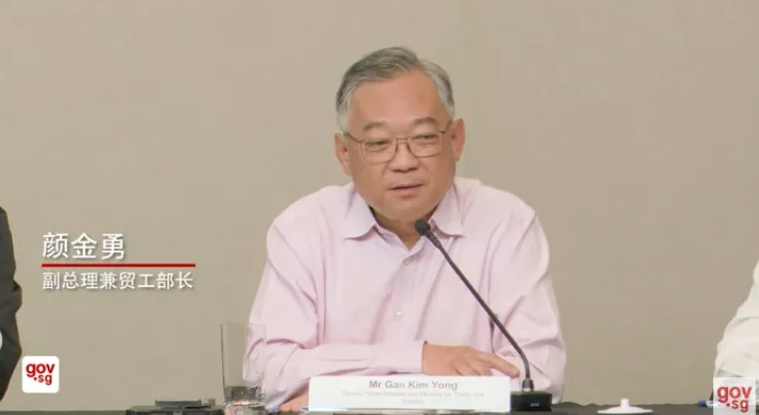
According to related news reports, the main objectives of the Business Adaptation Grant include:
- Supply Chain Optimization: Helping businesses reduce reliance on a single market and lower tariff-related costs.
- Market Diversification: Encouraging companies to explore new markets and spread trade risks.
- Competitiveness Enhancement: Supporting consulting services and technology upgrades to strengthen long-term business competitiveness.
Grant Recipients: Two Types of Businesses to Benefit Significantly

The scheme is expected to target the following two types of businesses:
Export-Oriented Companies
Applicable to businesses with operations in overseas markets that are affected by the new tariffs. The grant can be used to cover expenses related to Free Trade Agreements (FTAs), compliance, legal consulting, supply chain optimization, and market diversification.
Manufacturing Companies
Applicable to manufacturers engaged in production either locally or overseas. These businesses may apply for support under the new scheme to fund production restructuring, including logistics and inventory holding costs.
Employment Support: Government Partners with NTUC-e2i to Help Workers Retain Jobs and Upgrade Skills

In response to the industrial restructuring pressures brought about by tariff shocks, the Singapore government is also placing strong emphasis on job stability for everyday workers. It will partner with the Employment and Employability Institute (NTUC-e2i) to expand career advisory services and enhance subsidies for foundational HR certifications. This initiative aims to help businesses retain their workforce and upskill employees, creating a dual support system of “business transformation + talent upgrading.”
Grant Mechanism: Time-Bound and Stackable with Existing Schemes
According to information released by Singapore’s Ministry of Trade and Industry, the Business Adaptation Grant will provide support for a period of two years to help companies complete necessary adjustments to their supply chains, markets, and compliance structures in the short to medium term.
Additionally, this grant can be combined with existing government support schemes—including the Market Readiness Assistance (MRA) and the Enterprise Development Grant (EDG). Businesses can flexibly tailor their funding mix based on their stage and needs, further amplifying the impact of these policies.
SIG Global Insight: Seize the Policy Window and Proactively Optimize Your Business Structure

We recommend that companies view this grant not merely as an emergency response but as a strategic opportunity to optimize and strengthen their operations:
- Diversify export markets to reduce dependence on any single country;
- Proactively review contracts and trade terms to address compliance gaps;
- Develop risk mitigation plans in advance for product categories likely to face increased tariffs (such as electronics, copper, medical devices, etc.);
- Leverage government funding and tax structure planning to achieve optimal cost efficiency and operational effectiveness.
Conclusion
This new grant policy from the Singapore government sends a clear signal of support for business transformation and industrial resilience. Companies should promptly assess their position within the global supply chain, utilize available policy tools, and deploy flexible strategies ahead of time. SIG Global will continue to monitor the release of detailed guidelines to help you seize this policy window and take the first step toward high-quality, proactive adaptation.