


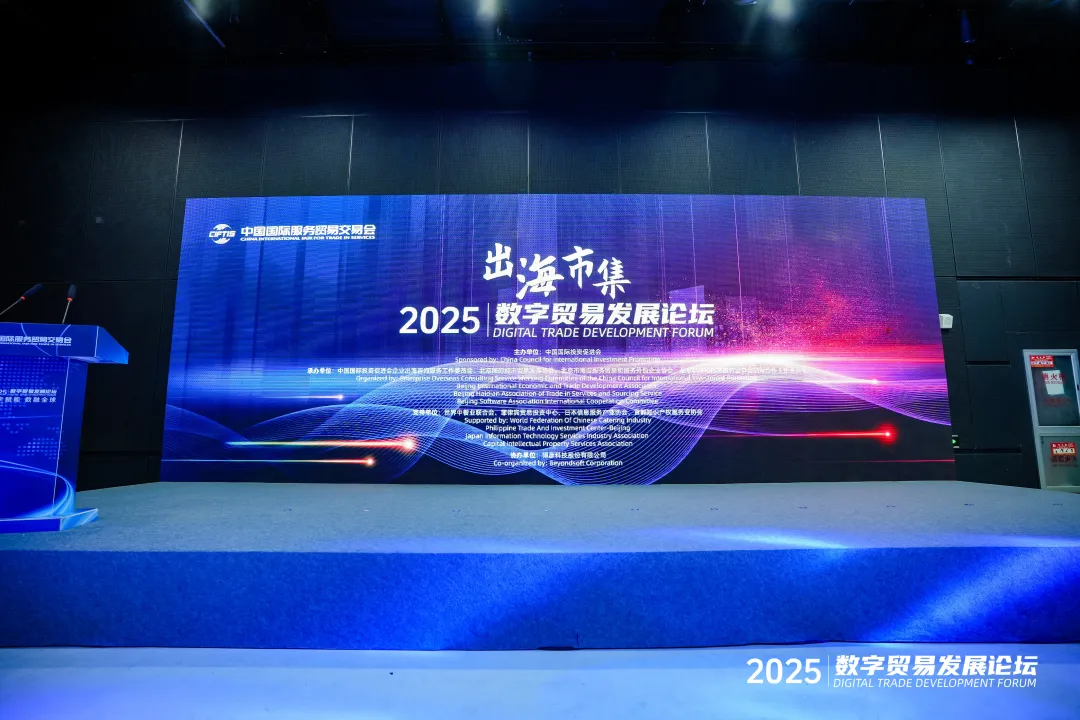
On September 12, as a key sub-forum of the China International Fair for Trade in Services (CIFTIS), the 2025 Digital Trade Development Forum was successfully held at the Shougang Park in Beijing under the theme “Digital Empowerment, Connecting the World through Data.”
This year’s forum focused on new trends in digital trade development and attracted representatives from government agencies, industry associations, multinational enterprises, and professional service organizations. Discussions centered on digital empowerment, cross-border collaboration, and industry implementation.
Notably, the forum introduced a special feature — the “Going Global Marketplace.” The marketplace was divided into a consulting services zone, a digital trade enterprises zone, and an outbound industry showcase zone, creating a seamless integration of “exhibition + interaction + matchmaking.” It provided participating enterprises with a practical platform where they could immediately explore, inquire, and connect.
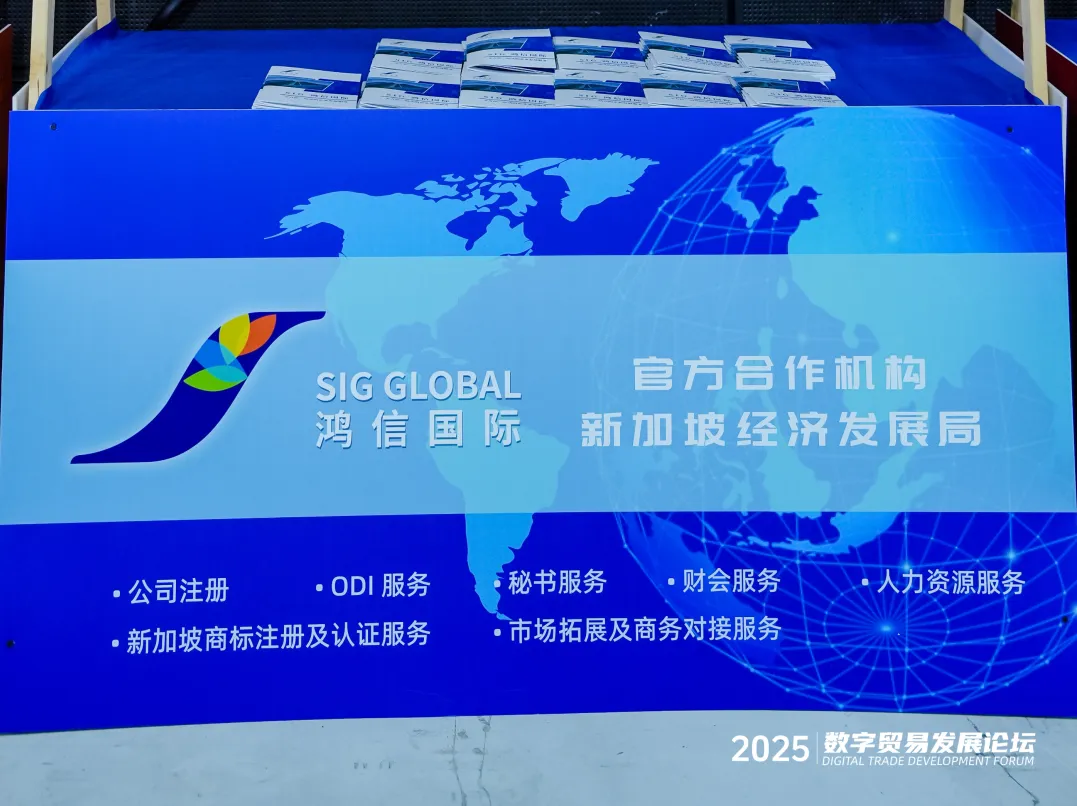
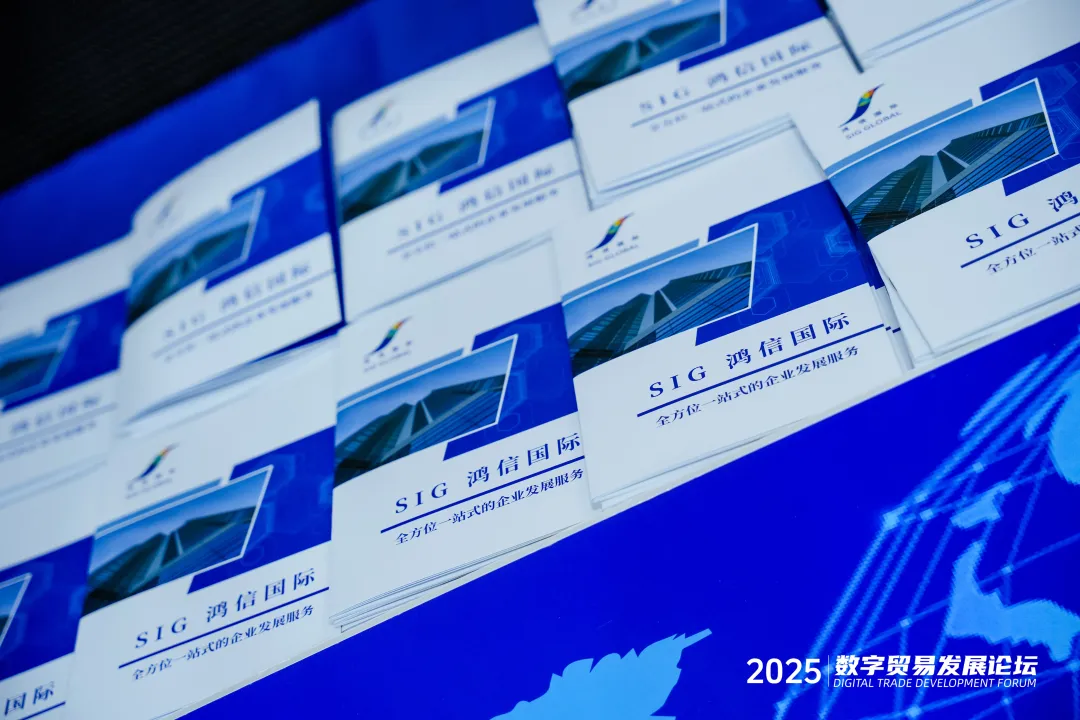
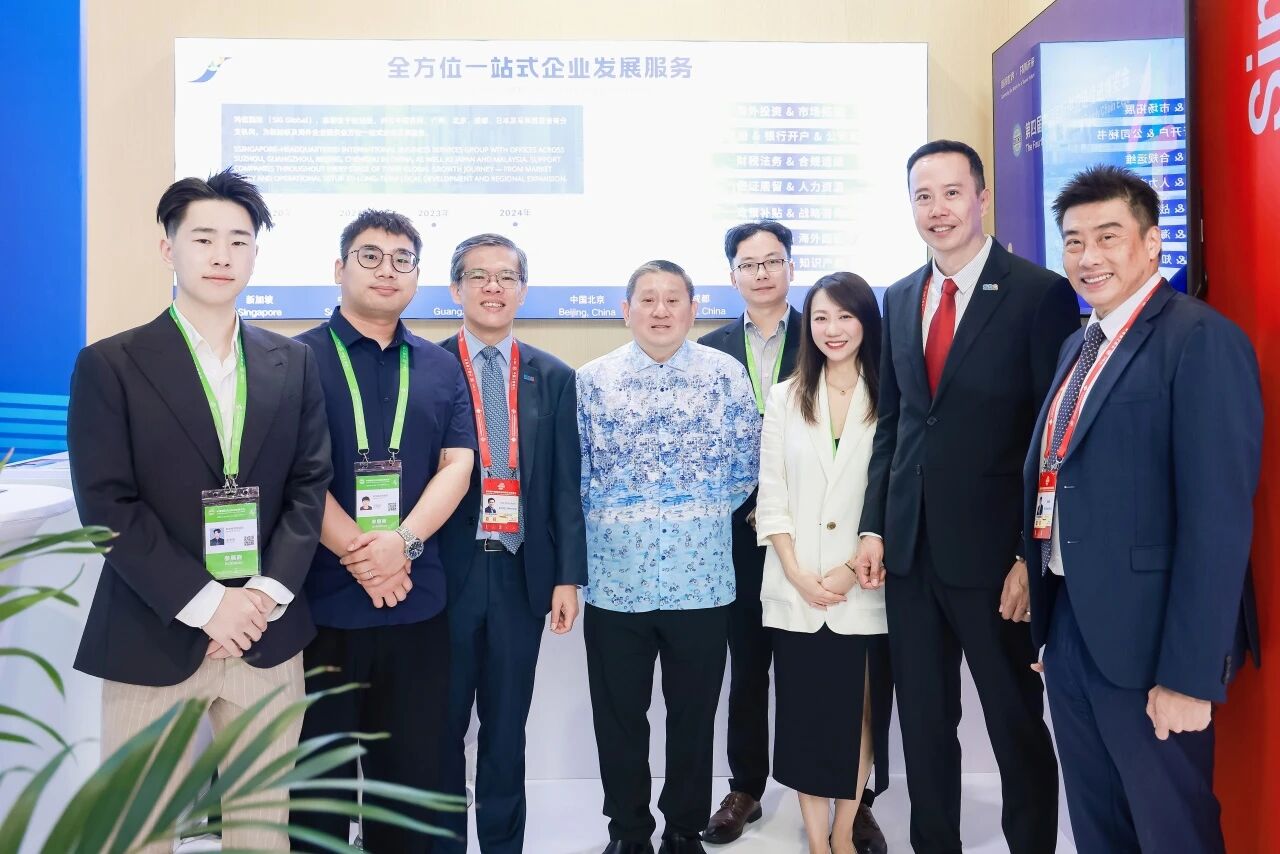
As a professional institution with long-standing expertise in the Singapore and Southeast Asian markets, SIG Global was invited to set up a booth at the “Going Global Marketplace.” At the booth, the company introduced its comprehensive outbound services covering investment setup, tax compliance, corporate structuring, and talent management.
The booth drew strong interest from many enterprises with outbound expansion needs. Company representatives actively engaged in lively discussions on practical issues of concern, including bank account opening, business registration, and regional headquarters planning.
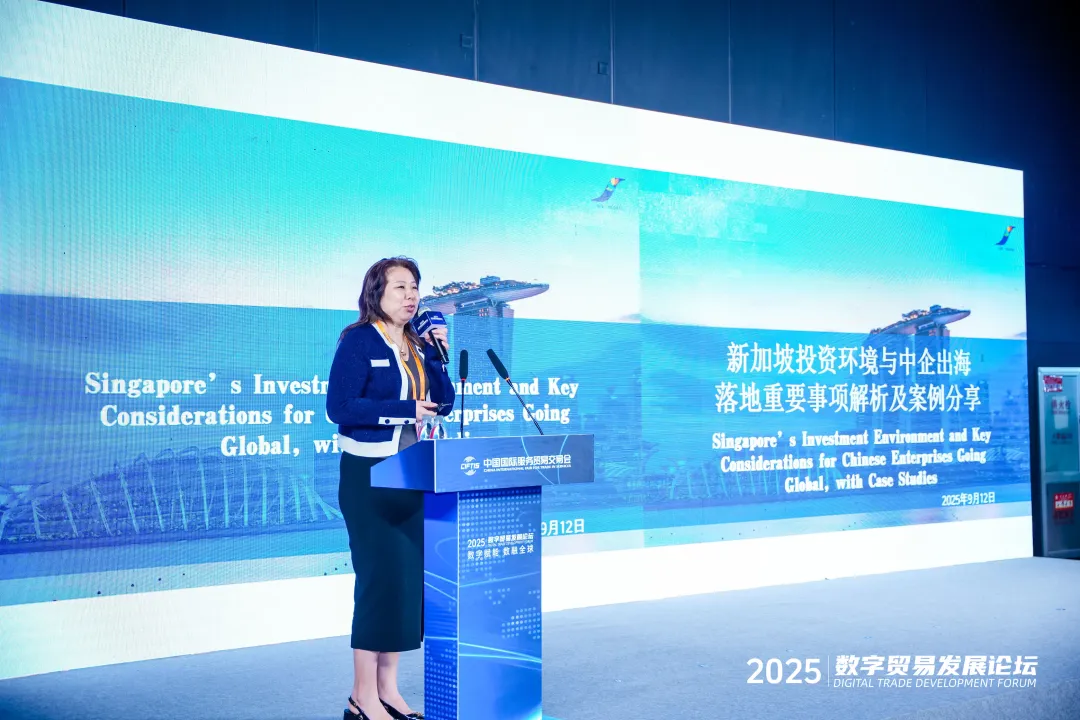
At the forum, Ms. Guan Xinxin, Director of SIG Global and Vice Chairman of the Enterprise Going Global Consulting Services Working Committee of the China Association for International Investment Promotion, was invited to deliver a keynote speech titled “Analysis of Singapore’s Investment Environment and Key Considerations for Chinese Enterprises Going Global, with Case Studies.”
Drawing on years of experience in assisting Chinese enterprises with their expansion into Southeast Asia, Guan Xinxin’s presentation offered a highly practical “Going Global Guide” for participating companies, covering multiple dimensions including policy, business environment, practical operations, and case studies.
01 Strategic Value of Singapore
Guan Xinxin highlighted that Singapore, as a regional economic hub, stands out as the top choice for Chinese enterprises to expand into Southeast Asia and reach global markets, thanks to its policy stability, sound legal system, and well-developed financial services.
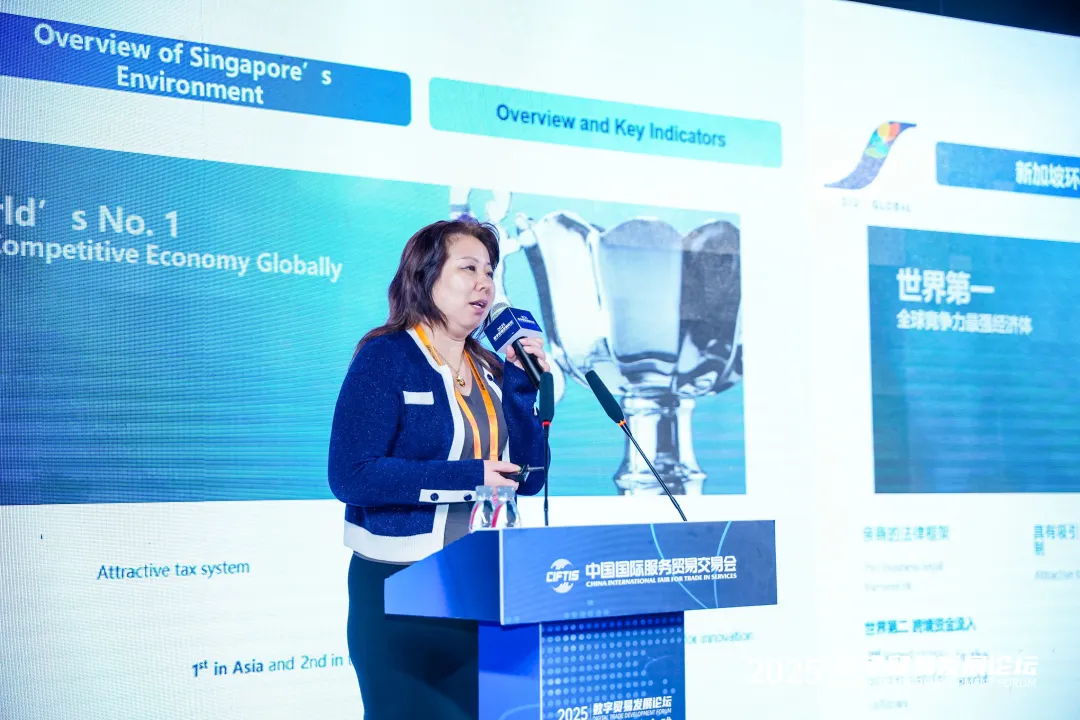
Choosing to establish a presence in Singapore means gaining access to broader regional markets with lower institutional frictions and a higher level of internationalization.
02 Key Considerations for Chinese Enterprises Establishing in Singapore
In her speech, Guan Xinxin outlined several core aspects that Chinese enterprises must pay close attention to when setting up in Singapore:
Market Access and Compliance Review
Enterprises must fully understand the licensing requirements and regulatory boundaries of different industries to avoid future compliance risks caused by neglecting them in the early stage.
Taxation and Structural Design
Singapore’s flexible tax system offers room for optimization, but making good use of preferential policies and avoiding double taxation requires professional planning.
Talent and Workforce Management
In the context of the digital economy, the ability to attract both local and cross-border talent is key to ensuring sustainable long-term growth for Chinese enterprises.
Cross-border Capital and Risk Control Arrangements
In regional operations, the compliance and convenience of capital flows directly impact a company’s operational efficiency and risk level.
She especially reminded that when planning their going-global strategies, Chinese enterprises should avoid a piecemeal approach of “fixing problems only as they arise.” Only by adopting a holistic perspective—integrating overall structuring, long-term compliance, and regional development—can they truly gain a firm foothold in overseas markets.
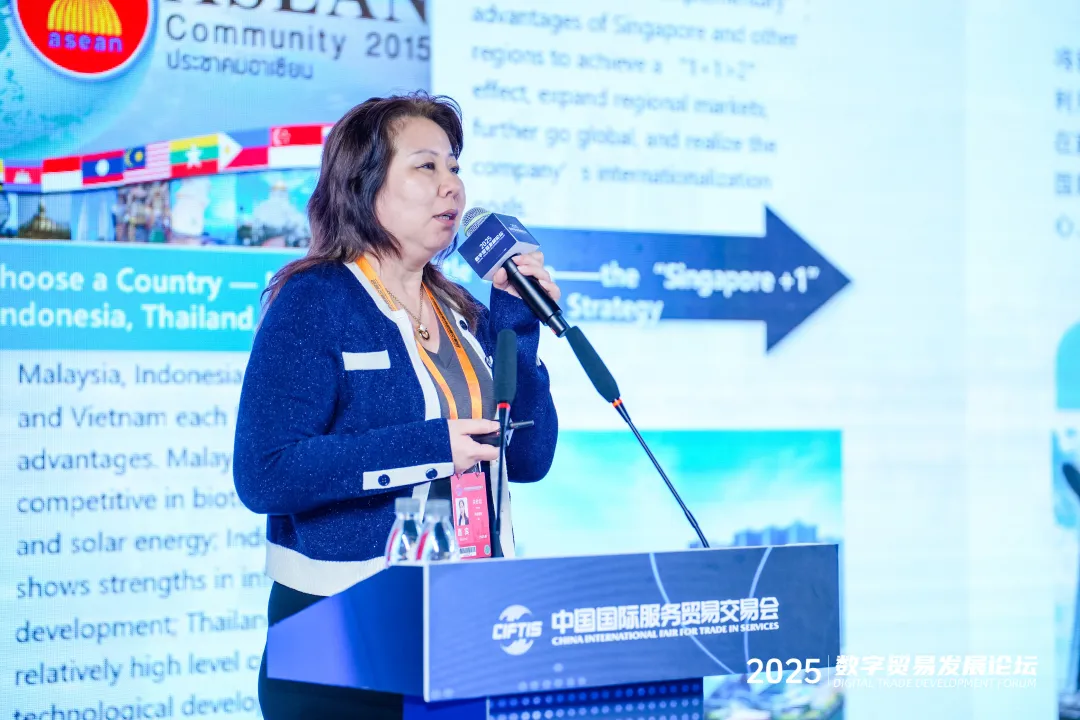
03 Case Studies
In addition, drawing on SIG Global’s practical experience in serving Chinese enterprises, Guan Xinxin showcased how companies leveraged Singapore’s advantages to achieve efficient market entry:
Manufacturing Enterprise
By establishing a regional headquarters in Singapore, the company successfully integrated cross-border procurement and sales channels, effectively extending its reach into the Malaysian and Indonesian markets.
Digital Technology Enterprise
Taking advantage of Singapore’s strengths in cross-border data transfer and intellectual property protection, the company built a compliant structure for its Southeast Asian operations.
Supply Chain and Trade Enterprise
Faced with obstacles in bank account opening and cross-border capital flows, the company overcame bottlenecks quickly through the coordination and planning of professional consultants.
These cases not only illustrate the pathways enterprises can take to establish themselves, but also highlight SIG Global’s vital role in helping businesses navigate uncertainties, optimize resource allocation, and enhance compliance and operational efficiency.
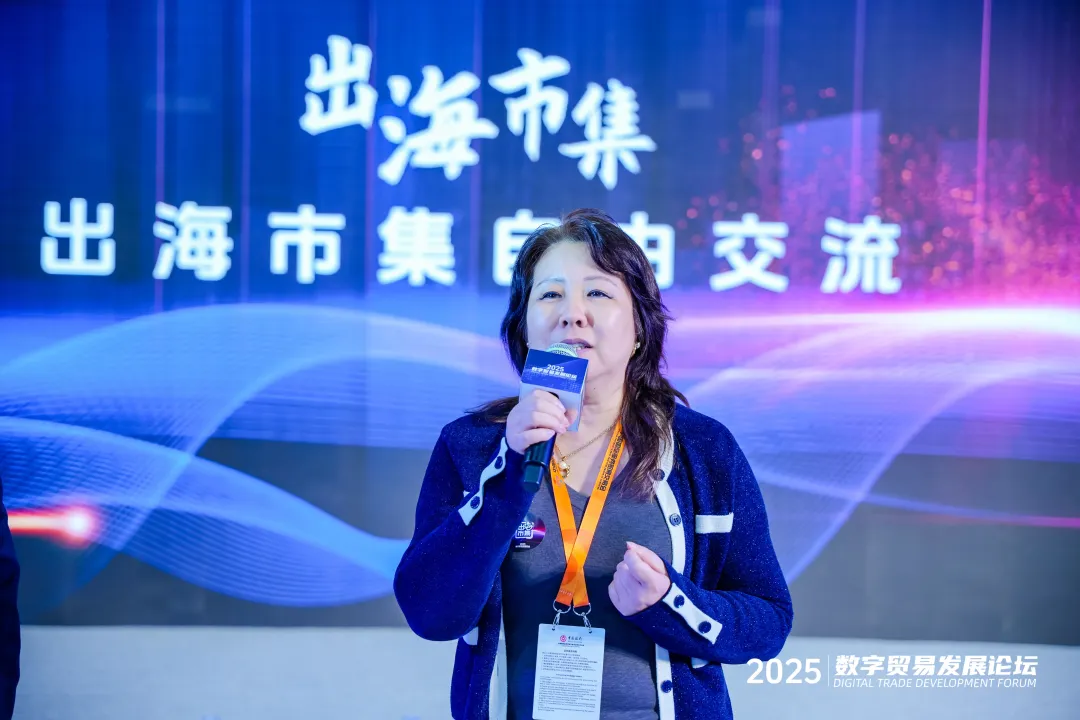
On the dual stages of the forum and the “Going Global Marketplace,” SIG Global not only shared forward-looking insights through Guan Xinxin’s keynote speech but also engaged in face-to-face interactions with enterprises at its booth, conveying a comprehensive service philosophy of “Strategy + Practical Solutions + Case Studies.”
This event fully demonstrated SIG Global’s professional capabilities and service value in the Singapore and Southeast Asian markets, as well as highlighted our practical experience and unique advantages in providing end-to-end support for Chinese enterprises expanding overseas.
As digital trade continues to expand the boundaries of global collaboration, Chinese enterprises’ needs for going global are becoming increasingly diverse and specialized. The 2025 Digital Trade Development Forum not only provided companies with a platform for high-level exchange but also made resources readily accessible through the “Going Global Marketplace.”
SIG Global will continue to leverage its professional expertise in this process, combining an international perspective with localized practice to help more Chinese enterprises seize opportunities in digital trade, achieve compliant market entry, expand regionally, and connect globally.
Related Resources
No results found.