


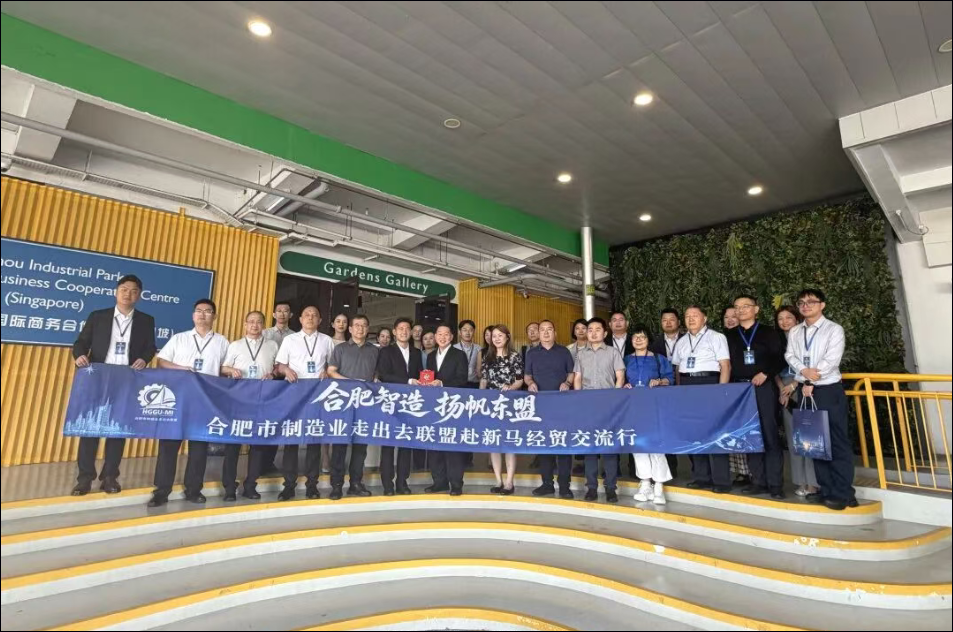

Amid rising global uncertainties, the global supply chain is undergoing profound restructuring and transformation. Against this backdrop, the overseas expansion strategies of Chinese enterprises have drawn increasing attention, as they actively explore new development paths in a bid to secure a favorable position in the reshaped global economic landscape.
According to the “UOB Business Outlook Survey 2025 – Mainland China Edition” released by UOB Singapore, in order to seize growth opportunities from the global supply chain restructuring, Chinese enterprises are not only increasing their investments in Southeast Asia but also accelerating digital and green transformations domestically to achieve coordinated development at home and abroad.
The survey reveals that 86% of respondents plan to expand into overseas markets within the next three years, with ASEAN countries being the top destination of choice. 48% of these companies identify the region as a key investment focus. Singapore, Malaysia, and Thailand have emerged as the most popular investment destinations, thanks to their robust infrastructure, stable policy environments, and significant cost advantages. This signals a shift among Chinese companies from exploratory market entry to deeper regional integration.
Rapid Expansion: Chinese Brands Deepen Their Presence in Southeast Asia
In recent years, Chinese brands have been accelerating their footprint across Southeast Asia. According to Singapore-based research firm Momentum Works, over 6,100 stores have been established by more than 60 Chinese brands in the region over the past three years as of the end of 2024. Singapore and Malaysia have become major hubs for Chinese consumer brands.
In the food and beverage sector, for example, more than 25 major Chinese F&B brands — including Mixue Bingcheng, Chagee, and Heytea — have entered the region in recent years. In August 2024, Chagee returned to the Singapore market with a bold move: opening three new directly operated stores at once, reflecting its strong commitment to the market. Most recently, another Chinese tea brand, Cha Bai Dao, officially entered Singapore with two stores launched simultaneously, strategically located in popular malls SCAPE and Northpoint.

Beyond the F&B sector, Chinese automobile brands are also gaining increasing recognition in Southeast Asia. Government data shows that Chinese brands performed exceptionally well in Malaysia’s automotive market last year: Chery ranked fifth among the most popular car brands, while BYD secured the tenth spot in terms of sales volume.
In Singapore, BYD made a historic breakthrough, becoming the top-selling car brand of the year for the first time, with 6,191 vehicle registrations.

In the services sector, RMS Marine Service Company, a China-headquartered firm, is actively expanding its business footprint within the Johor–Singapore Special Economic Zone (JS-SEZ). The company is leveraging Singapore’s existing warehousing facilities to serve the Southeast Asian market and plans to establish a large-scale warehouse base in Johor. This move aims to enable bulk procurement and storage, reduce costs, and enhance operational efficiency. Ultimately, RMS seeks to upgrade its Singapore warehouse into a regional — and even global — distribution hub.
Expanding Horizons: Multi-Sector Strategic Growth in Singapore
Chinese enterprises’ deep engagement with the Southeast Asian market extends far beyond the sectors mentioned above. From new energy storage to high-end power equipment and digital services, an increasing number of industry leaders are using Singapore as a strategic hub to drive their globalization strategies to new depths. In the first half of 2025, several Chinese companies have either expanded their presence in Singapore or entered into new partnerships, further accelerating their global expansion efforts.
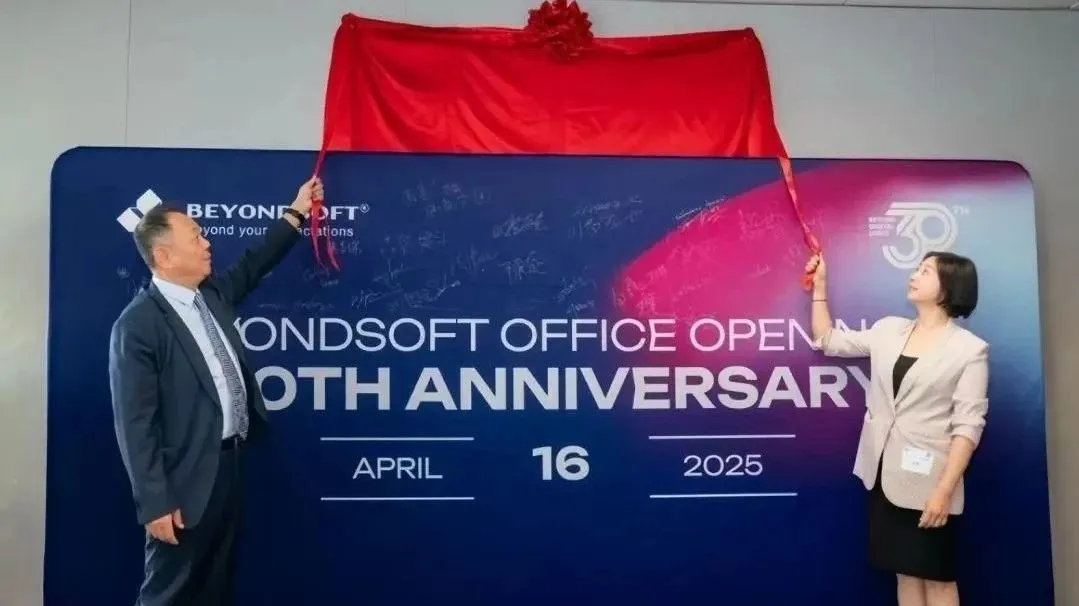
In April, Beyondsoft, a global leader in consulting, industry solutions, and intelligent digital services, opened a new office at South Beach Tower in Singapore to mark its 30th anniversary. This strategic move positions Singapore as its Asia-Pacific operations hub, strengthens its business presence in Southeast Asia, optimizes global resource allocation, and supports the digital transformation of Southeast Asian enterprises through global operations and localized innovation.
Conclusion
From consumption to manufacturing, and from traditional services to digital innovation, Chinese enterprises are weaving closer value networks in Southeast Asia as dedicated “deep cultivators.” As the regional hub, Singapore serves not only as a critical anchor point for Chinese companies but also as an important springboard connecting them to global markets. With its stable business environment, comprehensive industrial ecosystem, and strong regional influence, Singapore empowers Chinese brands to advance from regional deepening to global expansion, jointly shaping a new blueprint for industrial upgrading through collaborative development.
Related Resources

No results found.