


Prime Minister Lawrence Wong Unveils Singapore’s FY2026 Budget: 40% Corporate Income Tax Rebate and S$1 Billion to Power “Singapore-Style Growth”
 Feb 13, 2026
 Feb 13, 2026
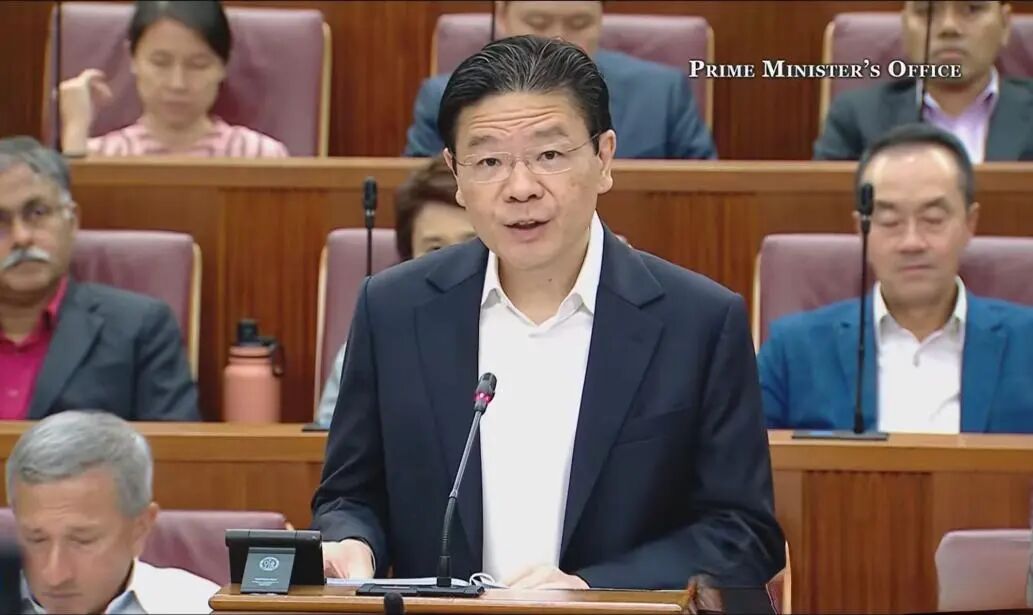
On 12 February 2026, Singapore’s Prime Minister and Minister for Finance Lawrence Wong delivered the FY2026 Budget Statement, setting out the country’s economic priorities and policy direction for the coming year.
The Budget is anchored on five core objectives, addressing immediate economic pressures while laying the foundation for long-term resilience. Through a multi-pronged approach — supporting enterprises, strengthening global connectivity, and building a robust business ecosystem — the Government aims to safeguard Singapore’s economic transformation and sustainable growth.
Key Directions of the FY2026 Budget
Five Strategic Priorities for Singapore’s Future
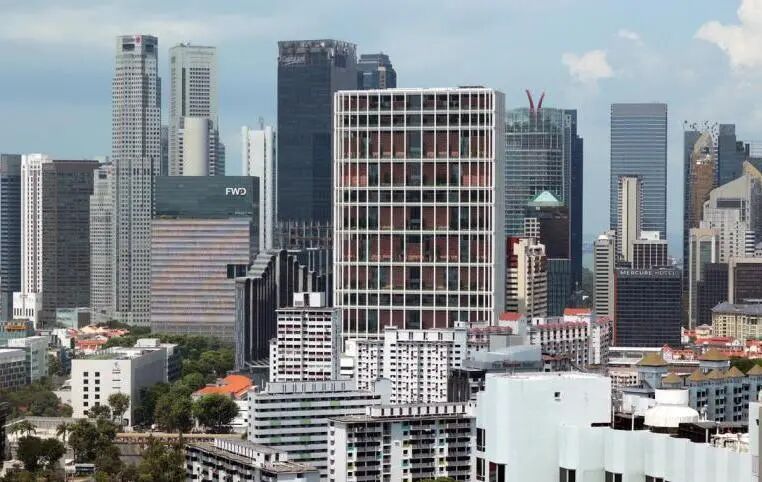
The Prime Minister outlined five major tasks that will guide Singapore’s development in 2026:
-
Advance an updated economic strategy aligned with the new global economic landscape;
-
Leverage artificial intelligence (AI) as a strategic advantage to drive digital transformation across industries;
-
Build a resilient and highly skilled workforce, improving job quality and competitiveness;
-
Provide stronger support for families, enhancing social security and well-being;
-
Safeguard security and sustainability, ensuring balanced economic and social development.
Priority on Business Relief
Short-Term Support, Long-Term Transformation

To ease cost pressures while enabling enterprises to restructure and upgrade, the Budget introduces targeted tax and cash support for active companies:
-
40% Corporate Income Tax Rebate for all companies in the Year of Assessment 2026;
-
Additional Cash Grant: Active companies that employed at least one local worker in the previous year will receive a minimum of S$1,500, capped at S$30,000 per company.
Prime Minister Wong stressed that these measures are meant to provide immediate relief while giving businesses the runway to reposition and transform for long-term growth.
Embracing a New Phase of Globalisation
Open, Diversified and Resilient

In response to global economic shifts, Prime Minister Wong reaffirmed that globalisation is not ending — it is becoming more selective, strategic and resilience-driven. Singapore will stay open in a smarter, more diversified and more resilient way.
1. Deepening diversified global partnerships
-
Future of Investment and Trade Partnership (FITP), launched last year, will continue to bring together like-minded partners in areas such as technology, trade facilitation and supply-chain resilience;
-
The EU–Singapore Digital Trade Agreement has come into force this month, creating a strong framework for digital trade rules and expanding Singapore’s digital economy space;
-
Later this year, Singapore will sign its first Agreement on Trade in Essential Supplies with New Zealand, ensuring continuity of critical trade flows during crises.
2. Expanding markets and strengthening regional integration
-
Reaching out to emerging markets in Latin America, Africa and the Middle East by opening new embassies and strengthening Singapore’s diplomatic and economic presence;
-
Deepening regional integration through projects such as the Johor–Singapore Special Economic Zone and the Batam–Bintan–Karimun Free Trade Zone, reinforcing ASEAN supply-chain and investment linkages.
Core strategy: Global diversification + regional integration — turning openness into real, bankable opportunities for enterprises.
Empowering Companies to Go Global
Stronger Support for Financing and Market Expansion

To convert Singapore’s connectivity into concrete growth opportunities, the Budget enhances internationalisation support across grants, tax incentives and financing:
-
Higher internationalisation grants:
-
Up to 70% support for SMEs;
-
Up to 50% for non-SMEs;
-
-
Upgraded Market Readiness Assistance to help firms both enter new markets and deepen their presence in existing overseas markets;
-
Enhanced Double Tax Deduction for Internationalisation (DTDi):
-
Automatic 200% tax deduction for qualifying activities;
-
Deduction cap raised from S$150,000 to S$400,000;
-
Broader scope of qualifying activities;
-
-
Stronger financing under the Enterprise Financing Scheme, with higher loan caps for trade and fixed assets, providing more flexible funding across different growth stages.
Together, these measures ensure that businesses of all sizes can access the capital, partnerships and market pathways they need to scale globally.
Powering Long-Term Growth
Three Strategic Levers to Strengthen Singapore’s Competitiveness
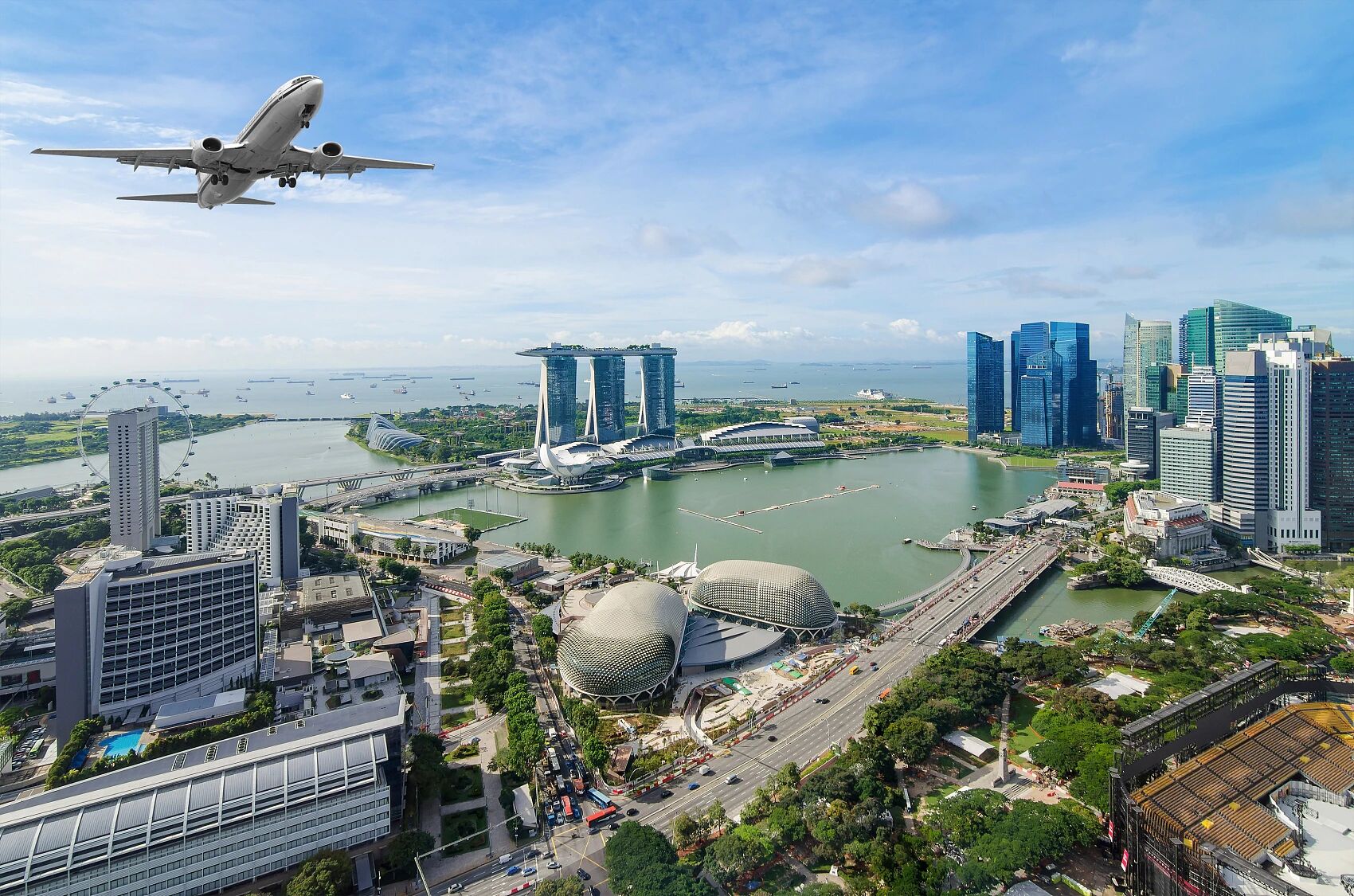
Beyond short-term relief and internationalisation, the Budget puts strong emphasis on long-term economic strength through three major pillars:
1. Anchoring high-value industries
Singapore will focus on knowledge-intensive, high-impact sectors, aiming to anchor key segments of global value chains locally and capture high-value activities through targeted, strategic investments.
2. Strengthening the growth-stage ecosystem
-
S$1 billion injection into Startup SG Equity, extending support from early-stage startups to growth-stage companies, using government capital to catalyse private investment;
-
A high-level taskforce led by Minister Tan See Leng to position Singapore as a leading growth-capital hub;
-
A new S$1.5 billion Anchor Fund (co-invested by the Government and Temasek) to attract high-quality companies to list on the Singapore Exchange, boosting the depth and vibrancy of Singapore’s capital markets.
3. Refocusing investment promotion
The Economic Development Board (EDB) will continue attracting multinationals, while placing greater emphasis on high-growth companies with the potential to become future industry leaders. By anchoring these firms early, Singapore aims to build new growth engines and create more high-quality jobs for Singaporeans.
Conclusion
Prime Minister Wong’s FY2026 Budget embodies a clear strategy of “short-term relief, long-term positioning.” It delivers immediate financial support to businesses while investing in openness, ecosystem upgrading and technology-driven growth.
From the five strategic priorities to the globalisation and enterprise policies, every measure reflects two core themes: resilience and sustainable growth.
Looking ahead, Singapore will engage the world with greater openness, empower enterprises with more targeted support, and cultivate competitive strengths through a more systematic and future-oriented strategy — ensuring high-quality economic growth and rising living standards in a new era of globalisation.