



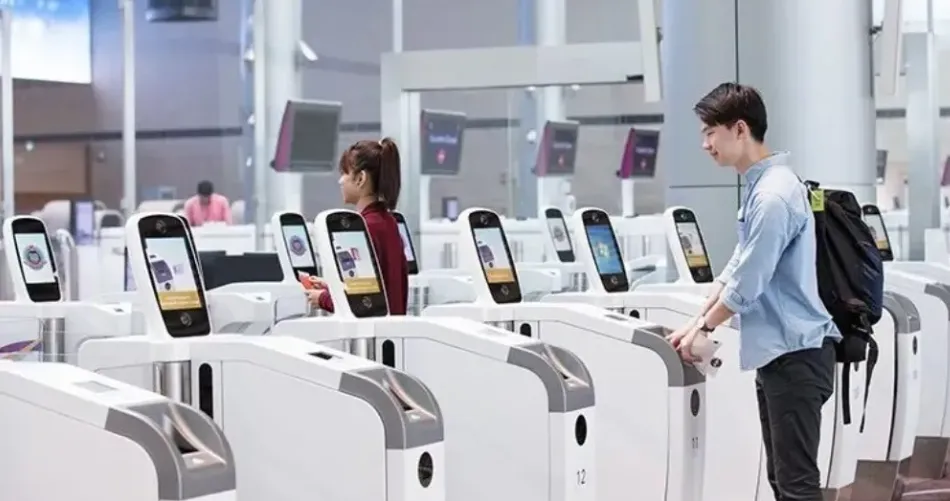
In 2024, more than 33,000 individuals were denied entry at Singapore’s borders—a sharp year-on-year increase of over 16%. While headline policies such as the Singapore–Malaysia mutual visa exemption have improved the ease of cross-border travel, immigration enforcement on the ground is quietly becoming more stringent.
Many travelers mistakenly assume that Singapore’s visa-free access means a guaranteed smooth entry. Phrases like “Singapore is visa-free now—entering should be just a formality” reflect a dangerous misconception. In reality, regardless of whether you’re a tourist, visiting family, traveling for business, or commuting frequently between Singapore and Malaysia, entry is not automatic.
Incomplete documents, vague or unconvincing travel plans, or even a case of mistaken identity could lead to serious consequences. These range from immediate deportation at the airport to being blacklisted and, in more severe cases, barred from re-entering Singapore for several years.
As Singapore continues to balance openness with national security, travelers should take border regulations seriously—ensuring all paperwork is in order and travel intentions are clearly stated—before making the journey.
Here are the 4 most common reasons for deportation or entry refusal in Singapore:
- Misusing Visa-Free Policy: Frequent “Border Runs”
Some travelers stay in Singapore for nearly the full 30-day visa-free period, then briefly cross into Malaysia for a few days, only to re-enter Singapore immediately afterward — a tactic known as “border runs.”
Although both Singapore and Malaysia offer visa-free entry for Chinese citizens, visa-free does not mean unlimited entries or stays. Immigration officers have full discretion to decide whether to grant entry. If such behavior raises suspicion, travelers may face on-the-spot deportation and even entry bans in the future.
- Unclear Purpose of Visit / Insufficient Documentation
Immigration officers don’t just glance at your passport — they may ask questions like:
Where to go, where to live, where are you from, what you do.
These factors all influence the officer’s assessment — and if your answers are vague or evasive, you may be flagged as an overstay risk.
- False Identity or Use of Forged Passports
Singapore’s border control system is highly advanced. In 2024 alone, 61 cases of attempted entry using fake passports or false identities were detected through automated immigration clearance systems.
In one case, an immigration officer revealed that a traveler tried to impersonate someone else using a forged passport. When questioned, the individual broke down emotionally and started crying. Upon further inspection, the officer found the real passport hidden in the traveler’s luggage, confirming the identity fraud.
Such actions not only lead to immediate denial of entry but also risk blacklisting and even criminal charges, potentially affecting one’s ability to travel to other countries in the future.
- Certain Sensitive Behaviors or Appearances Can Trigger Misunderstandings
There have been rare cases where female travelers were denied entry due to concerns about their intentions. In one incident, a woman was deported after immigration officers suspected her of engaging in illicit activities — simply because she was wearing revealing clothing, carrying a large amount of cosmetics, and lacked a clear itinerary.
Though extreme, these cases highlight that Singapore immigration officers are highly alert to signs of suspicious travel motives.
Frequent Cross-Border Travelers
Individuals who regularly commute or alternate living/working between Singapore and Malaysia without holding a valid work pass may raise red flags with immigration.
Carrying Large Amounts of Cash
Travelers carrying over S$20,000 (or equivalent) without declaration may be suspected of money laundering or illicit activities, triggering additional screening or denial of entry.
Those with Irregular Entry Histories
Anyone with a history of overstaying, applying for extensions, or being subject to secondary questioning at immigration is more likely to face stricter scrutiny or entry refusal.
How to Avoid Unnecessary Risks?
Legal status doesn’t guarantee smooth entry—proper preparation is key.
When entering Singapore, it is recommended to prepare the following documents in advance:
- Proof of accommodation (hotel booking or address of friends/family);
- Return or transit flight tickets;
- Proof of travel funds of approximately S$100 per person per day (such as cash, credit cards, or bank statements);
- Business trip or invitation letters, meeting emails, or company business cards;
- Avoid frequent, short-term repeated entries.
If employees need to work cross-border on a long-term basis, companies should properly apply for work passes to avoid frequent borderline use of visitor status, which also helps with subsequent tax and compliance matters.
Conclusion
Cross-border connectivity between Singapore and Malaysia is increasing rapidly—from the opening of the RTS cross-border rapid transit system to the development of the Rojak-Singapore Special Economic Zone—providing great convenience for business collaboration and talent mobility between the two regions. However, relaxed policies do not mean lax border controls. Singapore’s entry screening remains strict, and every entrant is carefully assessed. For corporate employees and cross-border executives, a single entry refusal can affect not only travel plans but also business trust and tax compliance chains.
Related Resources


No results found.